Baby Teeth: Why Primary Teeth Are Essential for Lifelong Oral Health
Many parents ask: "Why treat baby teeth if they will fall out?" Discover the vital biological roles primary teeth play in lifelong jaw and facial development.

Cute toddler showing healthy primary baby teeth with wide happy smile
Baby teeth (primary teeth) are essential for proper facial and jawbone development, clear speech formation, and chewing nutritious solid foods. Most importantly, they act as natural space maintainers that guide permanent adult teeth into correct alignment.
5 Vital Functions of Primary Teeth
A full set of 20 primary teeth serves critical biological functions that influence health well into adulthood:
- Natural Space Maintainers: Primary teeth preserve exact physical spacing in the jaw for incoming permanent teeth.
- Speech & Language Development: Tongue placement against primary front incisors is required to pronounce "th", "s", "f", and "d" sounds.
- Mastication & Nutrition: Primary molars grind fibrous meats and vegetables essential for healthy physical growth.
- Jawbone & Muscle Development: Chewing with baby teeth stimulates symmetric growth of the mandible and maxilla bones.
- Confidence & Social Well-being: A healthy, pain-free smile builds self-esteem in developing young children.
Baby Teeth Eruption & Shedding Timeline
Every child develops at their own rate, but primary teeth generally follow this schedule:
| Tooth Type | Average Eruption Age | Average Shedding (Loss) Age |
|---|---|---|
| Lower Central Incisors | 6 to 10 Months | 6 to 7 Years |
| Upper Central Incisors | 8 to 12 Months | 6 to 7 Years |
| Lateral Incisors | 9 to 13 Months | 7 to 8 Years |
| First Primary Molars | 13 to 19 Months | 9 to 11 Years |
| Canines (Cuspids) | 16 to 22 Months | 10 to 12 Years |
| Second Primary Molars | 23 to 33 Months | 10 to 12 Years |
The Consequences of Premature Baby Tooth Loss
When a baby molar is lost prematurely to severe decay or infection, adjacent teeth drift and tilt into the empty space. When the underlying permanent premolar attempts to erupt years later, there is insufficient space, causing severe impaction or crowding that requires complex orthodontic surgery later.
If a baby tooth must be extracted due to severe abscess, a pediatric dentist will place a small metal "space maintainer" to hold the space open until the permanent tooth arrives.
Teething Symptoms & Safe Relief
Teething causes drooling, gum swelling, and mild irritability. Safe relief methods include chilled solid silicone teething rings, massaging gums with a clean finger, and cold washcloths.
Never use homeopathic teething gels containing belladonna or topical benzocaine gels, as they can cause methemoglobinemia (a dangerous blood oxygen disorder) in infants.
Frequently Asked Questions
Scientific References & Sources
Our content is strictly synthesized from peer-reviewed dental literature, clinical practice guidelines, and leading academic institutions.
- AAPD Guideline on Management of the Developing Dentition and Occlusion — Pediatric Dentistry Reference Manual (2023)
- The Importance of Primary Dentition in Dental Development — Journal of Dentistry for Children (2024)
Pediatric Space Maintainers & Tooth Preservation
Preserve your child’s oral health and jaw alignment. Visit Blueteeth Dental Care for expert pediatric care.
Related Dental Health Guides
Children’s Oral Hygiene Guide: From Infants to Teens
Healthy childhood dental habits lay the groundwork for a lifetime of confident smiles. Explore practical age-specific brushing routines and fluoride guidance.

When Should a Child First Visit a Dentist? The Age-One Rule
Is age one too early for a dental checkup? Discover the critical importance of early preventive visits and how to prepare your child for a joyful experience.
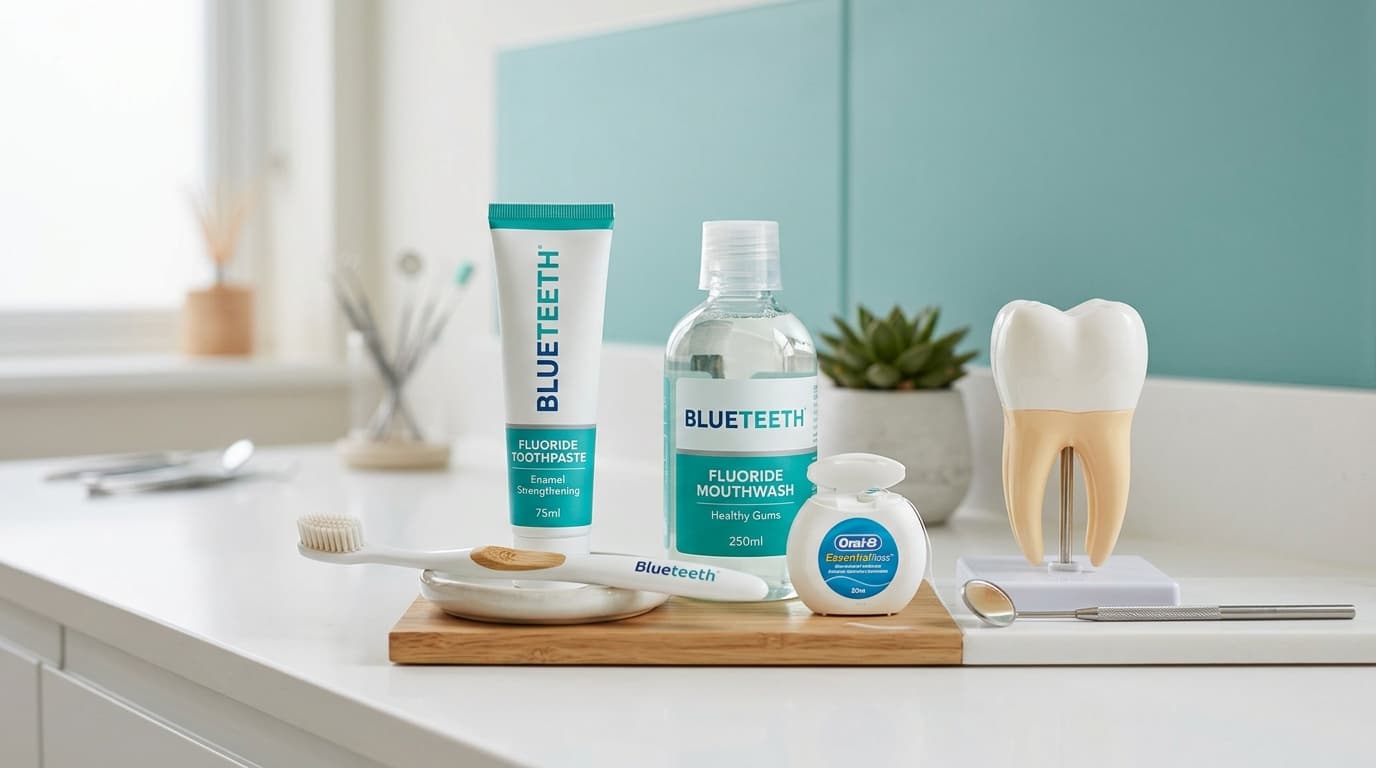
How to Prevent Cavities: Complete Evidence-Based Guide
Cavities are not inevitable. Learn the science of enamel demineralization, how to stop acid attacks, and effective preventive protocols for adults and children.