What Causes Bleeding Gums? From Gingivitis to Advanced Periodontitis
Healthy gums never bleed. Learn what triggers gingival bleeding, how bacterial toxins inflame delicate tissue, and how to restore healthy pink gums.
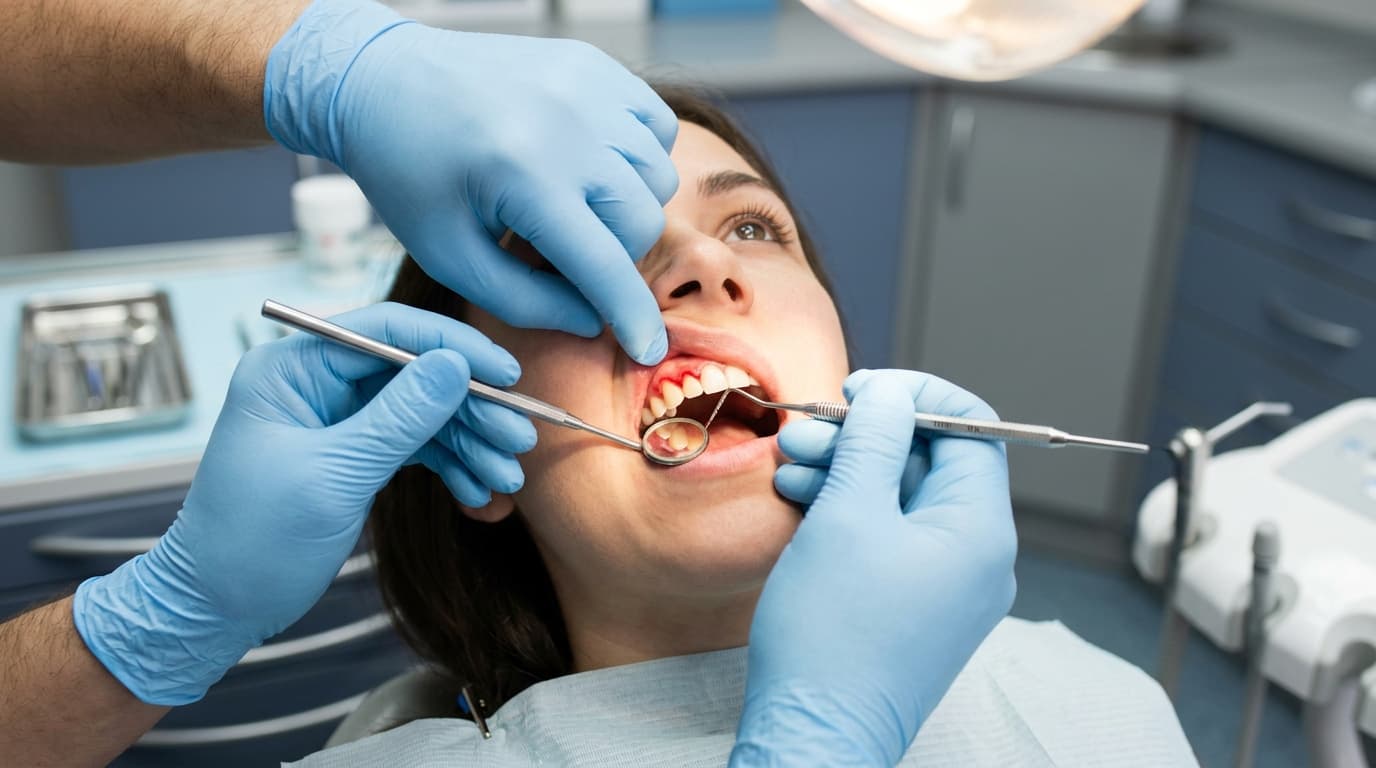
Clinical dental mirror and periodontal probe assessing inflamed bleeding gingival gumline
Bleeding gums are most commonly caused by plaque-induced gingivitis—inflammation triggered by bacterial buildup along the gumline. Other contributors include improper flossing technique, hormonal changes, vitamin deficiencies, smoking, and systemic medical conditions.
Healthy Gums vs Inflamed Gums: Know the Signs
Healthy gingival tissue is firm, coral pink (or pigmented naturally according to ethnicity), stippled like an orange peel, and fits snugly around each tooth without bleeding during normal brushing or flossing.
When plaque accumulates along the gingival margin, the immune system releases inflammatory mediators, causing capillaries to dilate and become fragile. Even minor contact like eating an apple or brushing then results in bleeding.
The Top Causes of Bleeding Gums
While plaque accumulation is responsible for over 90% of cases, several systemic and local factors can compound the condition:
- Inadequate Plaque Removal: Plaque biofilm left at the gumline causes rapid microbial colonization and capillary engorgement.
- Aggressive Brushing Technique: Hard bristles and heavy horizontal scrubbing physically tear delicate marginal gingiva.
- Hormonal Fluctuations: Increased progesterone and estrogen during pregnancy, puberty, and menstruation heighten vascular sensitivity to plaque (Pregnancy Gingivitis).
- Nutritional Deficiencies: Severe lack of Vitamin C (ascorbic acid) or Vitamin K compromises collagen synthesis and blood clotting.
- Medical Conditions & Medications: Blood thinners (anticoagulants), uncontrolled diabetes, and leukemia can manifest as spontaneous gingival hemorrhage.
Stages of Gum Disease: Gingivitis vs Periodontitis
It is critical to distinguish between the reversible early stage and the permanent destructive stage:
| Stage | Bone & Ligament Status | Reversibility | Treatment Needed |
|---|---|---|---|
| Gingivitis | No bone loss; inflammation confined to soft gums | 100% Reversible with hygiene | Scaling + improved home care |
| Early Periodontitis | Minor pocketing (4-5mm) and mild crestal bone loss | Arrestable, but bone loss is permanent | Scaling & Root Planing (SRP) |
| Advanced Periodontitis | Deep pockets (6mm+), mobile teeth, severe bone loss | Requires complex stabilization | Periodontal surgery & bone grafts |
Proven Steps to Stop Bleeding Gums
1. Never stop brushing or flossing: Clean gently but thoroughly twice daily with a soft-bristled brush and interdental cleaners.
2. Schedule Professional Ultrasonic Scaling: A dental hygienist must remove hardened subgingival calculus that you cannot reach at home.
3. Use an Antiseptic Rinse: Short-term use of 0.12% Chlorhexidine or essential-oil antimicrobial rinses can suppress virulent pathogens while tissues heal.
Frequently Asked Questions
Scientific References & Sources
Our content is strictly synthesized from peer-reviewed dental literature, clinical practice guidelines, and leading academic institutions.
- World Workshop on the Classification of Periodontal and Peri-Implant Diseases and Conditions — Journal of Periodontology / AAP & EFP (2023)
- Gingivitis and Periodontitis: Clinical Features, Epidemiology, and Therapy — British Dental Journal (2024)
Comprehensive Periodontal Evaluation
Experiencing bleeding or tender gums? Get an expert periodontal assessment at Blueteeth Dental Care.
Related Dental Health Guides
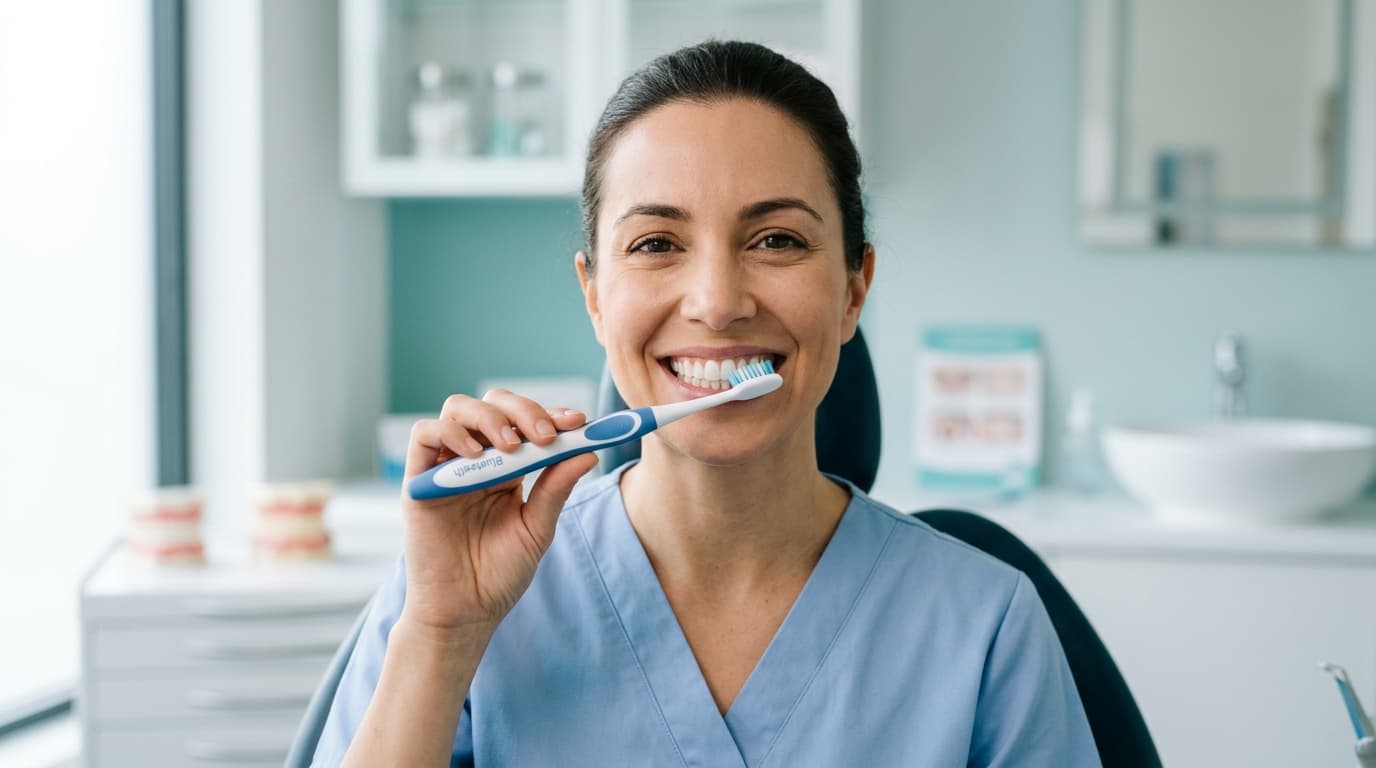
How to Brush Your Teeth Properly: Step-by-Step Dental Guide
Master the Modified Bass brushing technique with dentist-approved steps to clean every tooth surface, protect delicate gums, and prevent plaque buildup.
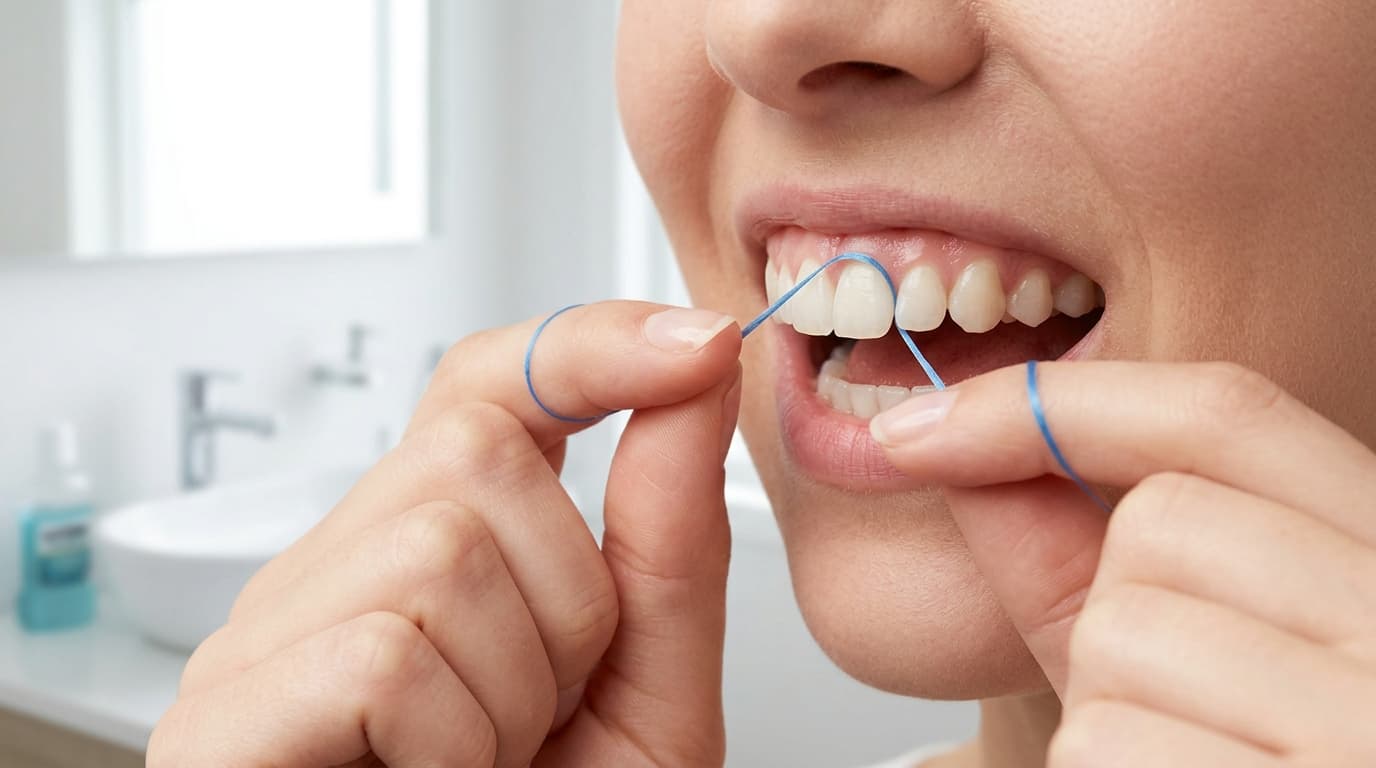
How Often Should You Floss? The Science of Interdental Cleaning
Brushing alone leaves up to 40% of tooth surfaces uncleaned. Discover the science of daily flossing, proper finger technique, and alternatives for tight spaces.
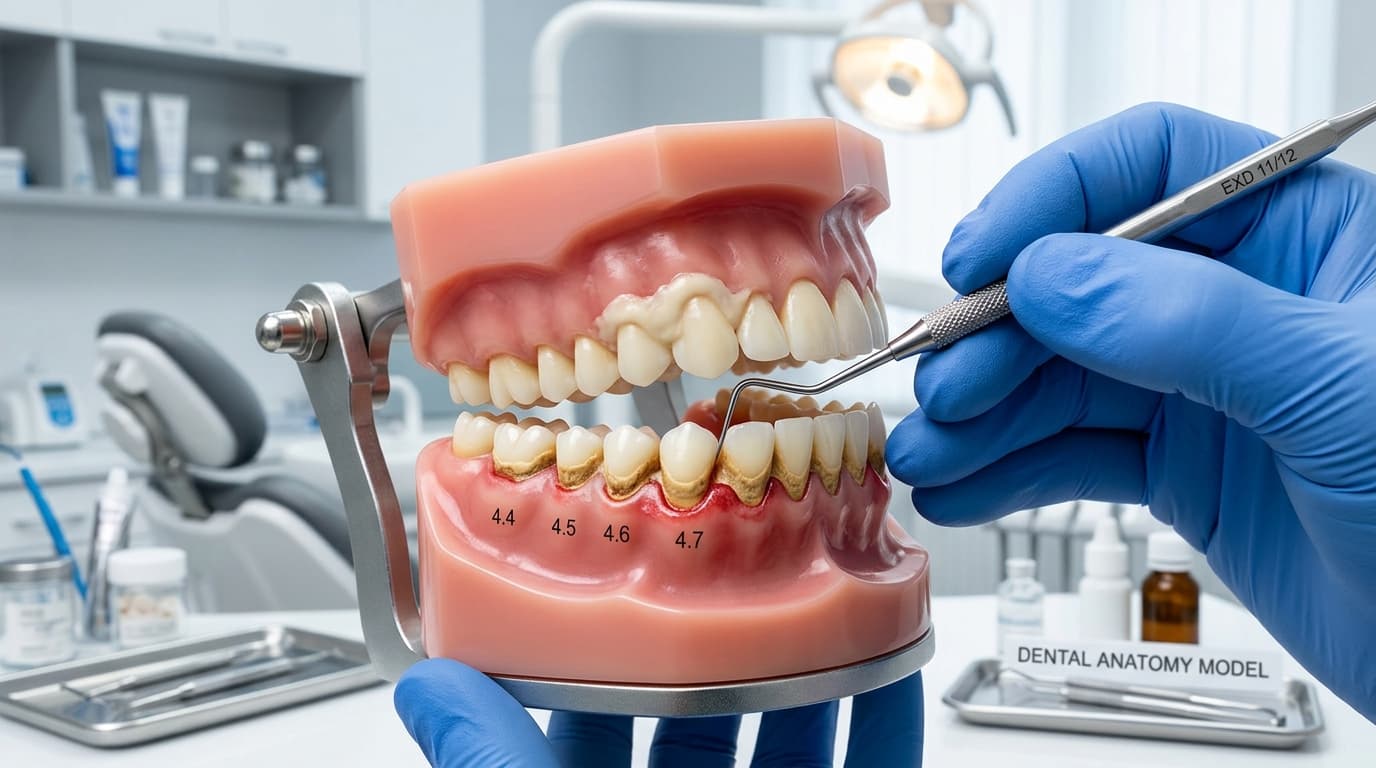
Dental Plaque vs Tartar (Calculus): Key Differences & Removal
Plaque and tartar are two stages of the same biological threat. Discover how soft biofilm mineralizes into rock-hard calculus and how to keep teeth clean.