How Often Should You Floss? Evidence-Based Guide to Interdental Care
Brushing alone leaves up to 40% of tooth surfaces uncleaned. Discover the science of daily flossing, proper finger technique, and alternatives for tight spaces.
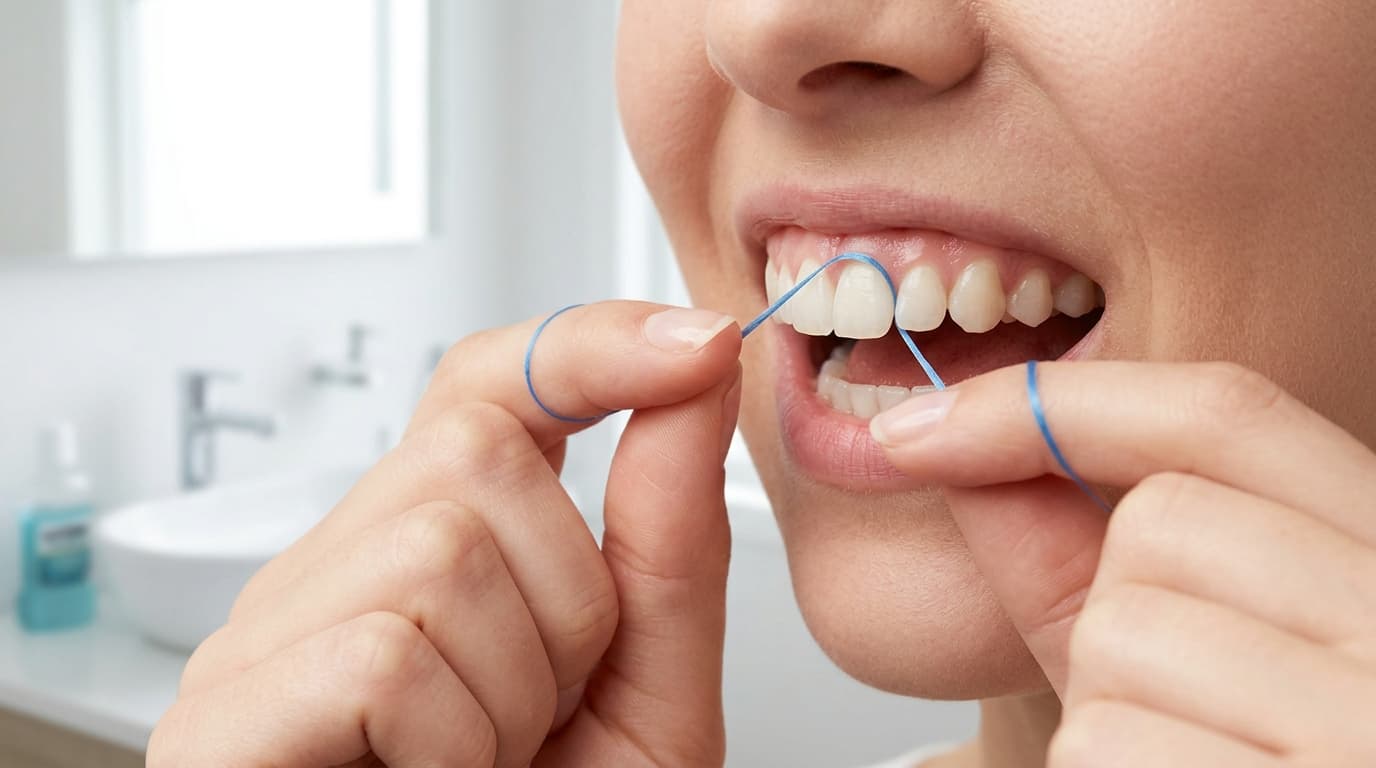
Person demonstrating proper C-shape dental flossing technique for interdental cleaning
You should floss at least once every day. Flossing cleans the tight interdental spaces and subgingival contact areas where toothbrush bristles physically cannot reach, preventing interproximal cavities and gum disease.
The 40% Rule: Why Toothbrushing Alone Is Not Enough
Each tooth has five distinct surfaces: facial (front), lingual (back), occlusal (chewing), and two interproximal surfaces (mesial and distal sides touching adjacent teeth).
Even with the most advanced sonic toothbrush, bristles are physically blocked from reaching the contact points where adjacent teeth meet. These two interproximal surfaces represent roughly 40% of total tooth surface area. Failing to clean between your teeth creates a sheltered incubator for anaerobic bacteria, leading to interproximal cavities and periodontal bone loss.
The C-Shape Flossing Technique (Step-by-Step)
Many patients snap the floss straight down onto their gums, causing lacerations known clinically as floss clefts. Follow these five clinical steps for safe, pain-free flossing:
1. Dispense 18 Inches: Break off approximately 18 inches (45 cm) of floss. Wind most around the middle finger of one hand and a small amount around the middle finger of the other.
2. Grip Firmly: Hold 1 inch of floss tightly between your thumbs and index fingers for maximum control.
3. Gentle Seesaw Motion: Guide the floss gently between your teeth with a back-and-forth seesaw motion. Never force or snap the floss into the gums.
4. Hug the Tooth in a "C" Shape: Curve the floss into a C-shape around the side of one tooth. Slide it gently into the space between the gum and tooth until you feel slight resistance.
5. Vertical Strokes: Scrape the side of the tooth upward from the gumline to the contact point 3 to 4 times. Repeat on the adjacent tooth using a clean segment of floss.
String Floss vs Water Flossers vs Interdental Brushes
Depending on your dental anatomy, dexterity, and restorations, different interdental tools offer unique advantages.
| Tool Type | Best Suited For | Clinical Benefit |
|---|---|---|
| Waxed String Floss | Tight contact points between natural teeth | Superior mechanical scraping of adherent biofilm |
| Interdental Brushes | Wider gaps, black triangles, dental bridges | Highly effective plaque removal in open embrasures |
| Water Flossers (Oral Irrigators) | Braces, dental implants, arthritic patients | Flushes subgingival bacteria and reduces gum inflammation |
What If Your Gums Bleed When You Floss?
When patients notice bleeding, their instinct is often to stop flossing. However, bleeding gums are almost always a symptom of active gingivitis caused by trapped bacterial plaque.
With consistent, gentle daily flossing and brushing, localized inflammation typically resolves within 7 to 14 days, and bleeding will stop. If bleeding persists beyond two weeks, schedule a dental consultation to evaluate for deeper periodontal pockets or hardened tartar.
Frequently Asked Questions
Scientific References & Sources
Our content is strictly synthesized from peer-reviewed dental literature, clinical practice guidelines, and leading academic institutions.
- Interdental Cleaning Guidelines and Periodontal Disease Prevention — European Federation of Periodontology (EFP) (2023)
- Efficacy of Interdental Mechanical Plaque Control Devices: A Systematic Review — Journal of Clinical Periodontology (2024)
Periodontal Examination & Scaling
Persistent bleeding or difficulty flossing around restorations? Book an appointment at Blueteeth Dental Care.
Related Dental Health Guides

How to Brush Your Teeth Properly: Step-by-Step Dental Guide
Master the Modified Bass brushing technique with dentist-approved steps to clean every tooth surface, protect delicate gums, and prevent plaque buildup.
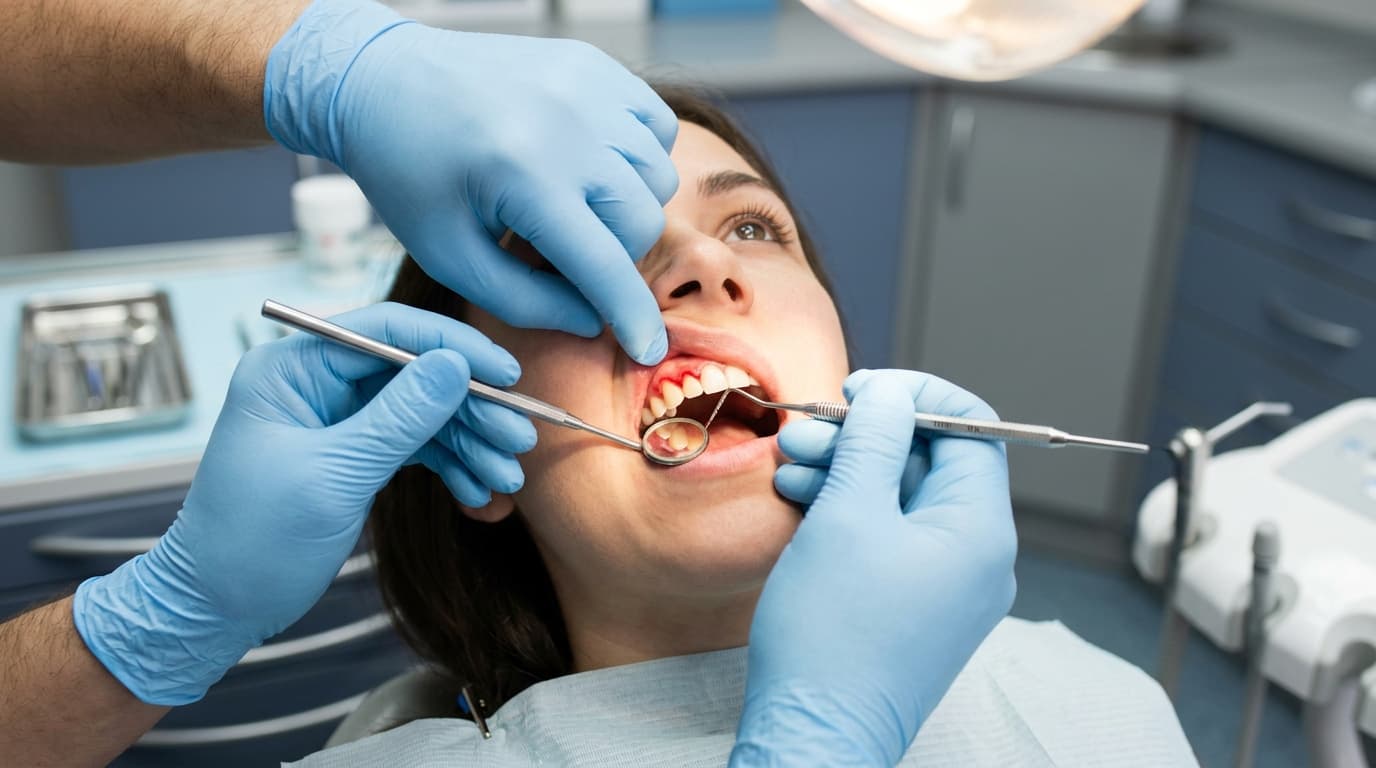
What Causes Bleeding Gums? Symptoms, Stages, and Treatment
Healthy gums never bleed. Learn what triggers gingival bleeding, how bacterial toxins inflame delicate tissue, and how to restore healthy pink gums.
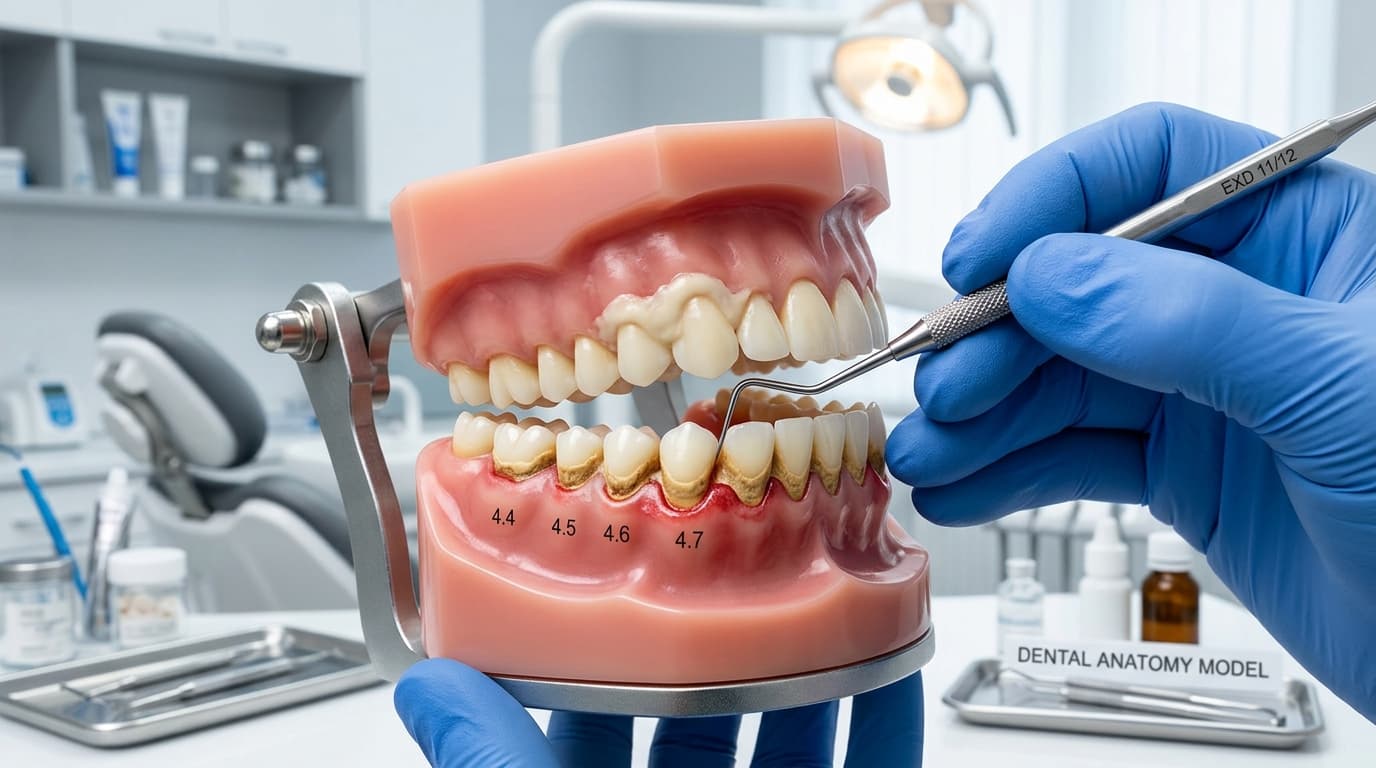
Dental Plaque vs Tartar (Calculus): Key Differences & Removal
Plaque and tartar are two stages of the same biological threat. Discover how soft biofilm mineralizes into rock-hard calculus and how to keep teeth clean.