How to Brush Your Teeth Properly: Complete Guide for Maximum Plaque Removal
Master the Modified Bass brushing technique with dentist-approved steps to clean every tooth surface, protect delicate gums, and prevent plaque buildup.
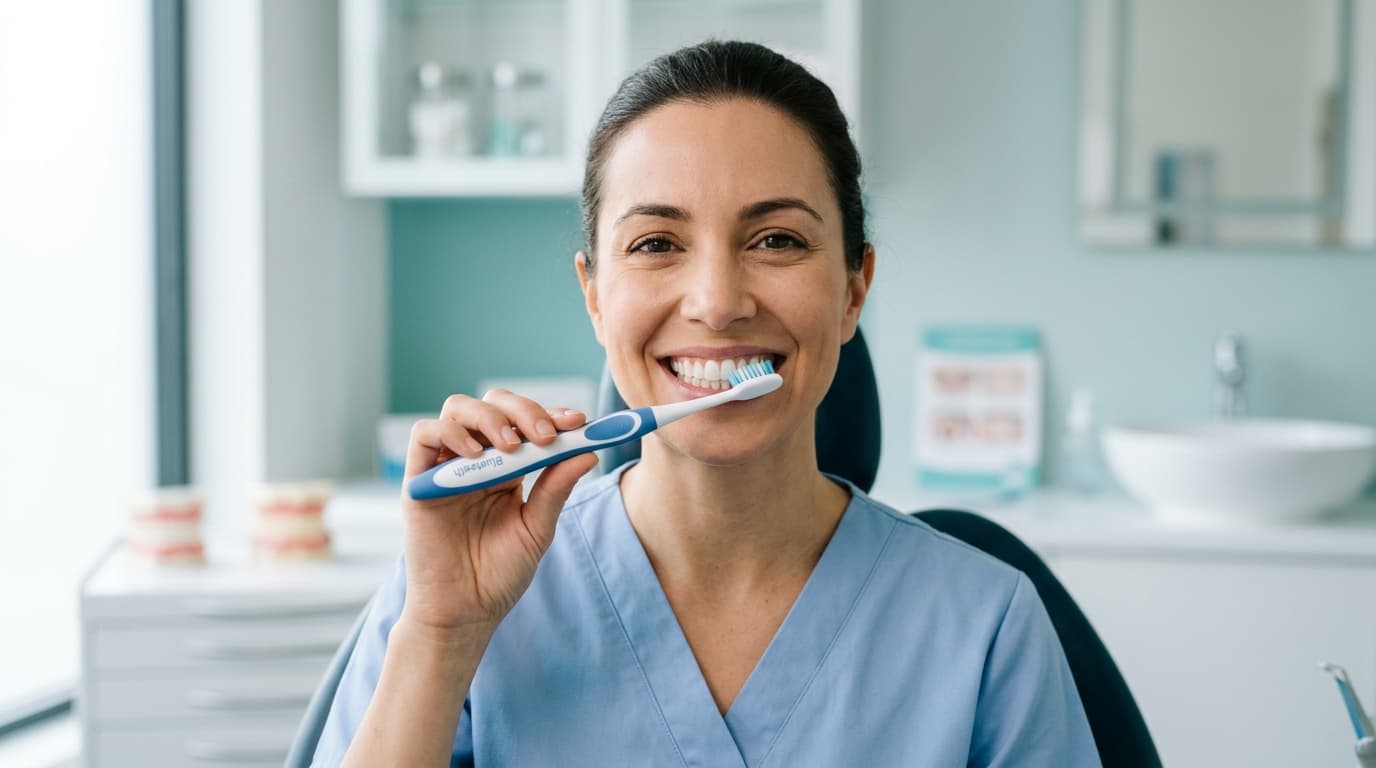
Person demonstrating proper tooth brushing technique with a soft-bristled toothbrush
Brush twice daily for two full minutes using a soft-bristled toothbrush and fluoride toothpaste. Hold your brush at a 45-degree angle toward the gumline and use gentle, short circular vibrating strokes rather than aggressive scrubbing.
Why Brushing Technique Matters More Than Force
Tooth brushing is the cornerstone of personal oral hygiene, yet over 80% of individuals brush either too aggressively or miss key areas of the mouth. Plaque is a soft, sticky biofilm of bacteria that continually forms on tooth surfaces. If not removed mechanically every 12 to 24 hours, it calcifies into hard tartar (calculus) and triggers gingival inflammation.
Many people assume that brushing harder produces cleaner teeth. In clinical practice, vigorous scrubbing with hard bristles causes irreversible cervical enamel abrasion and gingival recession, exposing vulnerable root dentin to decay and cold sensitivity.
- Gentle mechanical plaque disruption is effective; aggressive scrubbing causes permanent tissue damage.
- Plaque re-forms continuously; missing evening brushing allows bacteria to multiply unchecked overnight due to reduced salivary flow.
The Modified Bass Technique: Step-by-Step
The Gold Standard Technique Recommended by Dental Associations Worldwide
The Modified Bass technique is specifically engineered to clean the sulcus (the small space between tooth and gum where destructive bacteria congregate).
Step 1: Angle the Bristles. Place the toothbrush heads at a 45-degree angle toward the gumline. Half of the bristles should touch your gums, and the other half should rest on the tooth surface.
Step 2: Gentle Vibratory Strokes. Use light, short vibratory or circular motions (2-3 millimeters wide) for 10-15 strokes per pair of teeth. Do not apply heavy downward pressure.
Step 3: Sweep Away from the Gums. Roll or flick the brush head toward the biting edge of the tooth to sweep loosened plaque away from the sulcular pocket.
Step 4: Clean the Chewing Surfaces. Hold the brush flat on the biting surfaces of molars and premolars. Move back and forth in short, firm strokes to clean deep anatomical fissures.
Step 5: Clean the Inside (Lingual & Palatal) Surfaces. Angle the brush vertically for the inside of the front upper and lower teeth, using gentle flicking strokes from gum to edge.
Step 6: Brush Your Tongue Gently. The dorsal surface of the tongue harbors large colonies of anaerobic bacteria. Brush gently from back to front to eliminate odor-causing microbes.
Common Brushing Mistakes to Avoid
Even disciplined brushers frequently fall into counterproductive habits. Understanding these pitfalls will protect your smile over decades.
| Mistake | Why It Harms Your Teeth | Dentist Recommendation |
|---|---|---|
| Brushing immediately after acidic food | Acid temporarily softens enamel; brushing causes micro-erosion | Wait 30-45 minutes or rinse with plain water first |
| Using medium or hard bristles | Wears down enamel grooves and causes gum recession | Use soft or extra-soft multi-tufted bristles only |
| Rushing under 60 seconds | Leaves more than 50% of bacterial plaque untouched | Use a 2-minute timer or an electric brush with quadrant alerts |
| Keeping a brush past 3 months | Frayed bristles lose cleaning efficiency and harbor pathogens | Replace brush head every 90 days or after any viral illness |
Manual vs Electric: Choosing the Right Tools
Both high-quality manual toothbrushes and oscillating/sonic electric toothbrushes can achieve excellent oral cleanliness when paired with proper technique.
However, randomized clinical trials demonstrate that oscillating-rotating electric toothbrushes remove up to 21% more plaque and reduce gingivitis by 11% over 3 months compared to manual brushing. Electric toothbrushes are especially beneficial for children, orthodontic patients, and individuals with arthritis or limited dexterity.
- Always look for a fluoride toothpaste with 1000–1450 ppm fluoride content for cavity protection.
- Ensure your manual toothbrush has a compact head size so you can comfortably reach the outer surfaces of your rearmost wisdom teeth and upper second molars.
When Should You See a Dentist?
While excellent daily brushing is essential, it cannot remove hardened tartar (calculus) once formed. You should schedule a professional dental evaluation if you notice:
• Gums that bleed consistently during or after brushing
• Persistent tenderness, redness, or gum shrinkage exposing yellow root surfaces
• Lingering sensitivity when drinking cold or hot beverages
• Persistent bad breath despite thorough brushing and tongue cleaning
Frequently Asked Questions
Scientific References & Sources
Our content is strictly synthesized from peer-reviewed dental literature, clinical practice guidelines, and leading academic institutions.
- American Dental Association (ADA) Council on Scientific Affairs: Toothbrushing Guidelines — Journal of the American Dental Association (JADA) (2024)
- Systematic Review of Manual vs. Powered Toothbrushing for Plaque and Gingivitis Control — Cochrane Database of Systematic Reviews (2023)
- World Health Organization (WHO): Oral Health Fact Sheets & Prevention Protocols — World Health Organization (2024)
Professional Dental Cleaning & Checkup
Need a professional assessment or thorough calculus removal? Schedule a comprehensive dental exam at Blueteeth Dental Care.
Related Dental Health Guides
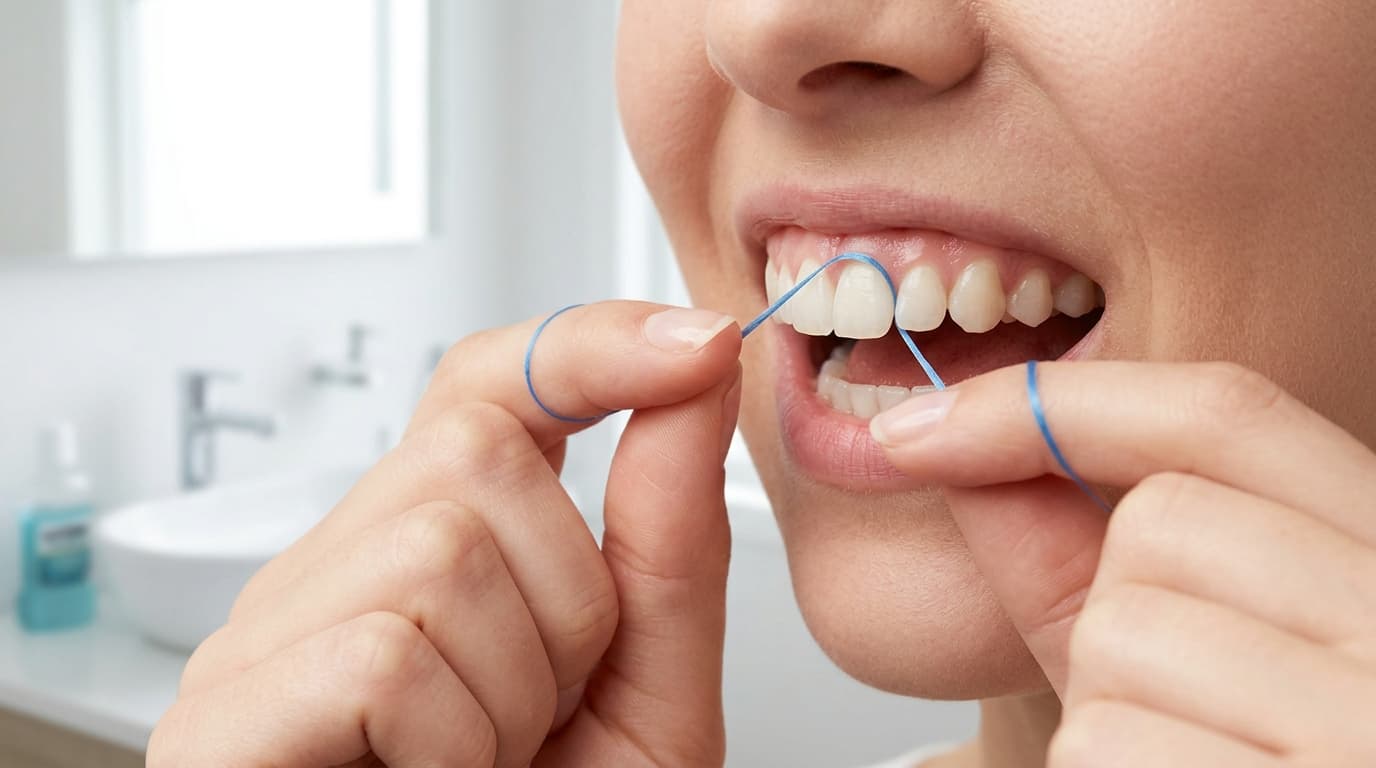
How Often Should You Floss? The Science of Interdental Cleaning
Brushing alone leaves up to 40% of tooth surfaces uncleaned. Discover the science of daily flossing, proper finger technique, and alternatives for tight spaces.
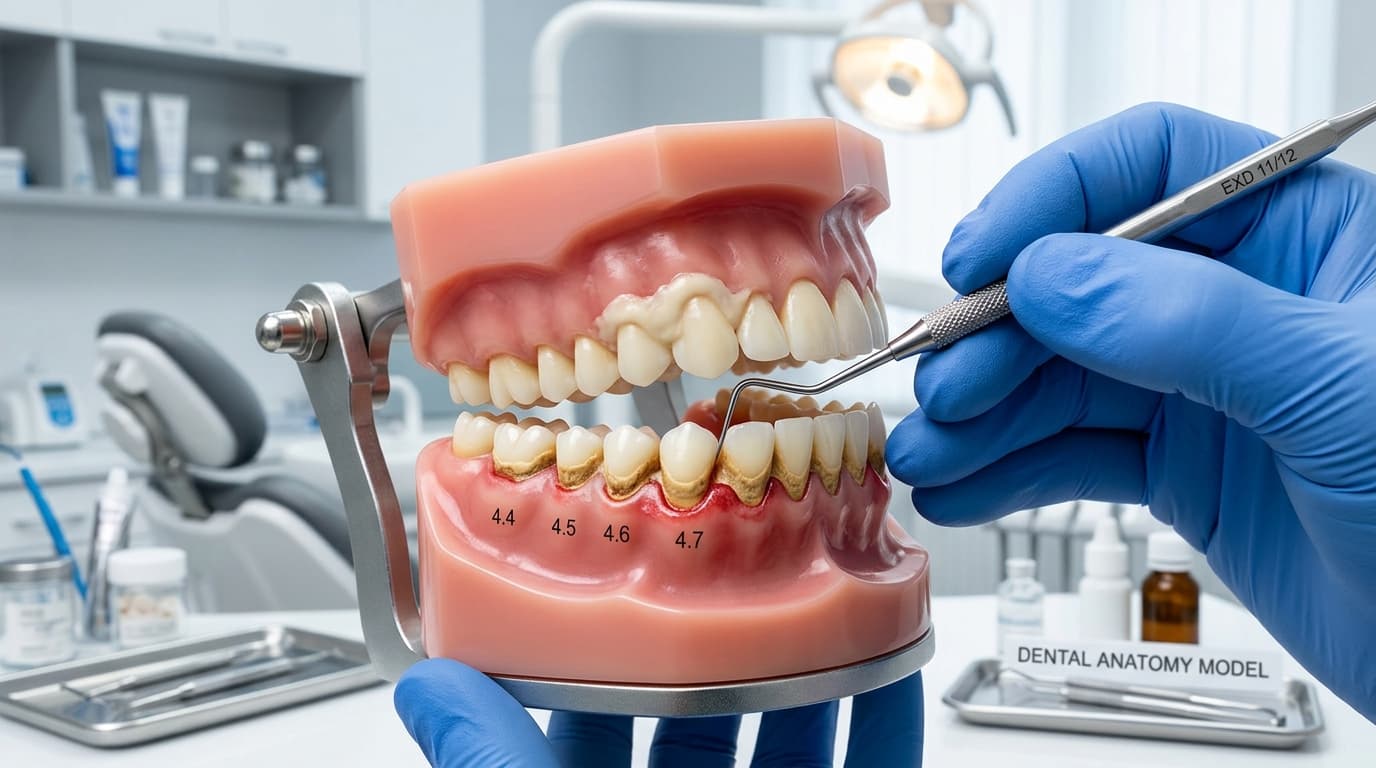
Dental Plaque vs Tartar (Calculus): Key Differences & Removal
Plaque and tartar are two stages of the same biological threat. Discover how soft biofilm mineralizes into rock-hard calculus and how to keep teeth clean.
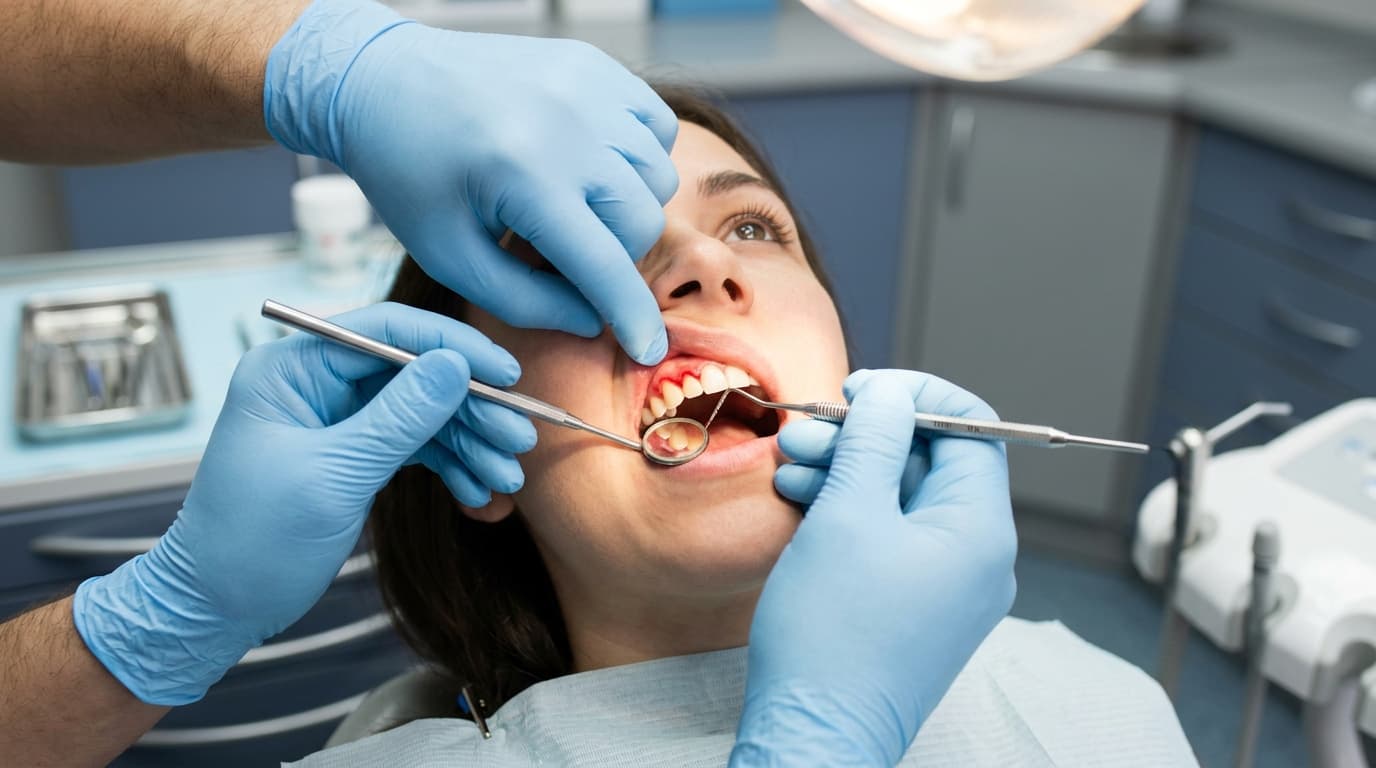
What Causes Bleeding Gums? Symptoms, Stages, and Treatment
Healthy gums never bleed. Learn what triggers gingival bleeding, how bacterial toxins inflame delicate tissue, and how to restore healthy pink gums.