Dental Plaque vs Tartar: Understanding the Critical Differences
Plaque and tartar are two stages of the same biological threat. Discover how soft biofilm mineralizes into rock-hard calculus and how to keep teeth clean.
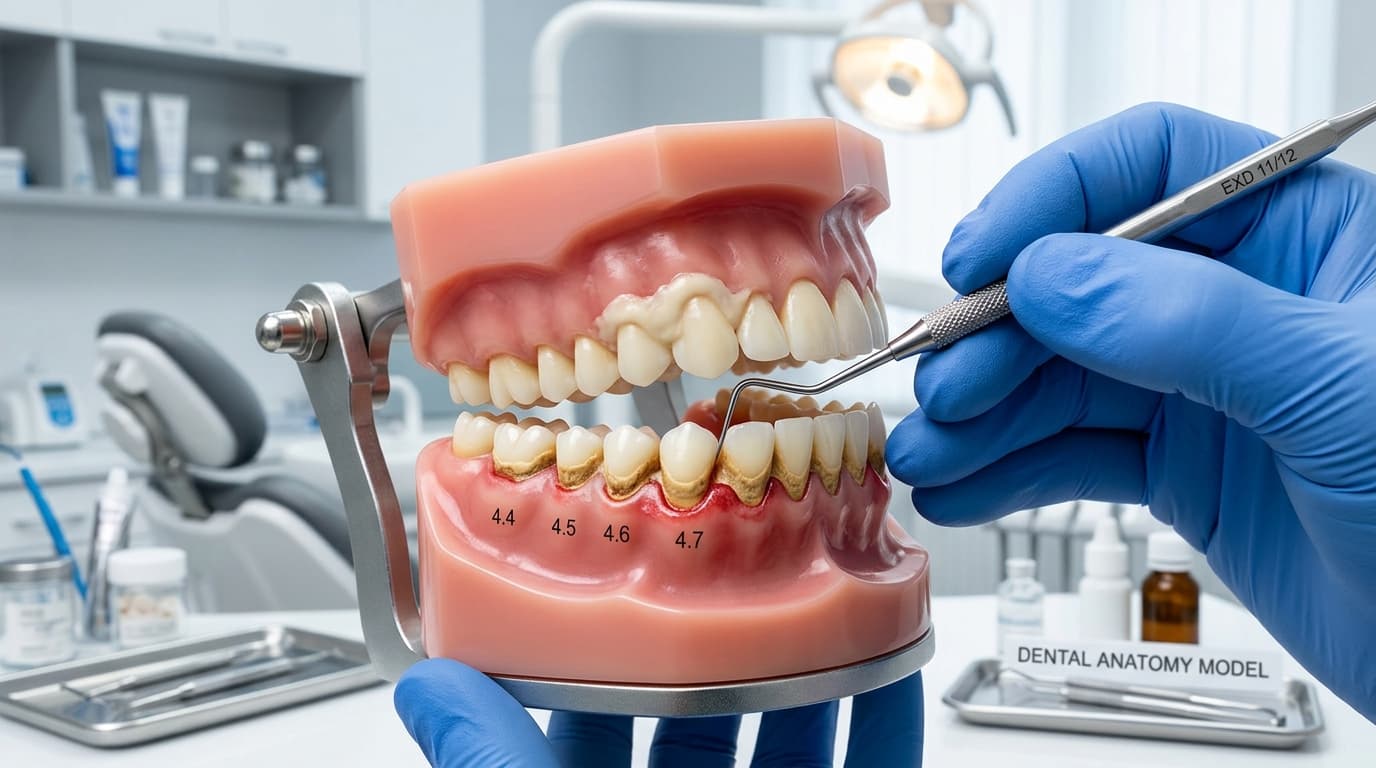
Dental anatomy model comparing soft biofilm plaque and hardened tartar calculus with periodontal probe
Plaque is a soft, sticky, invisible film of bacteria that you can remove daily with brushing and flossing. Tartar (calculus) is mineralized plaque that has hardened onto enamel; it bonds firmly to teeth and can ONLY be removed safely by a dental professional using specialized ultrasonic tools.
Plaque vs Tartar: At-A-Glance Comparison
Understanding the distinct characteristics of dental plaque and tartar is crucial for maintaining lifelong periodontal health.
| Characteristic | Dental Plaque | Dental Tartar (Calculus) |
|---|---|---|
| Texture & Appearance | Soft, sticky, colorless to pale yellow film | Hard, porous, yellow, brown, or black deposits |
| Formation Time | Forms within 4 to 12 hours after brushing | Mineralizes in 24 to 72 hours if plaque is left undisturbed |
| Location | Supragingival (above gumline) and subgingival | Above and below gumline, locked into tooth structure |
| Can You Remove It at Home? | Yes—with thorough brushing and daily flossing | NO—requires professional ultrasonic scaling |
| Associated Risks | Early enamel demineralization, mild gingivitis | Chronic periodontitis, gum recession, bone loss, tooth loss |
The Biology: How Plaque Mineralizes into Calculus
Saliva naturally contains high concentrations of calcium and phosphate ions designed to remineralize and protect teeth.
However, when dental plaque remains undisturbed on tooth surfaces for 24 to 72 hours, these salivary minerals precipitate into the bacterial matrix. Over several days, the soft biofilm undergoes crystallization, transforming into hydroxyapatite and brushite crystals—a cement-like crust firmly bonded to tooth enamel and root surfaces.
Health Consequences of Untreated Tartar
Because tartar is extremely porous and rough, it acts as a permanent lodging area for fresh living bacteria. Subgingival tartar beneath the gumline releases endotoxins that trigger the immune system to break down periodontal ligament fibers and surrounding alveolar jawbone—the defining pathology of periodontitis.
Why You Should Never Use DIY Metal Tartar Scrapers at Home
With online retailers selling metal dental scalers, many patients attempt DIY tartar removal. Dental boards strongly warn against this practice:
1. Enamel & Root Gouging: Metal tips used without professional training cause permanent scratches in enamel and root dentin, creating deeper rough grooves where plaque accumulates even faster.
2. Severe Gum Laceration: Slipping scalers can lacerate gingival tissues, pushing virulent bacteria deeper into the bloodstream (transient bacteremia).
3. Incomplete Subgingival Removal: Only trained clinicians with specialized ultrasonic scalers and periodontal curettes can safely debride subgingival calculus without tissue trauma.
Frequently Asked Questions
Scientific References & Sources
Our content is strictly synthesized from peer-reviewed dental literature, clinical practice guidelines, and leading academic institutions.
- Dental Calculus: Formation, Composition, and Clinical Implications — Periodontology 2000 (2023)
- American Dental Association: Clinical Guidelines on Plaque & Calculus Management — ADA Science & Research Institute (2024)
Ultrasonic Calculus Scaling
Notice hardened yellow or brown buildup? Schedule a gentle professional ultrasonic cleaning at Blueteeth Dental Care.
Related Dental Health Guides
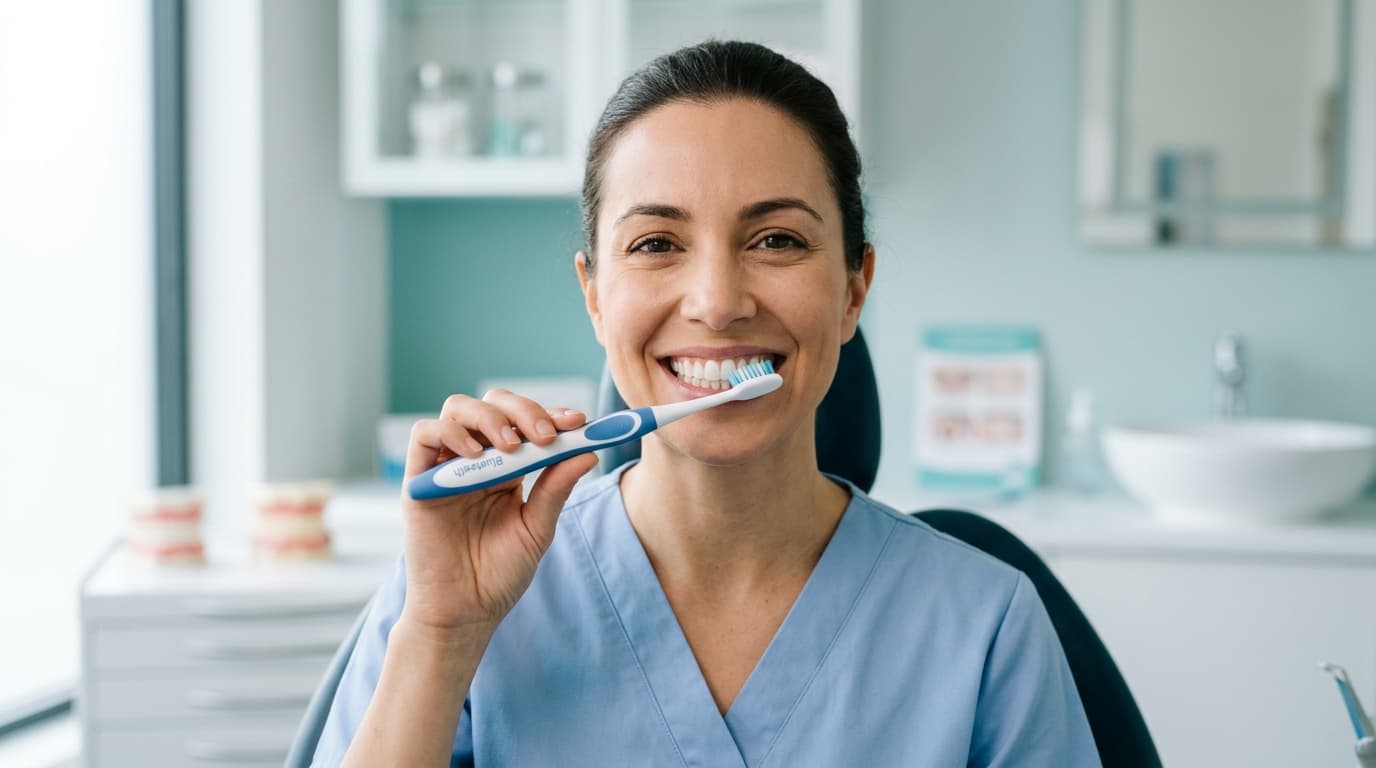
How to Brush Your Teeth Properly: Step-by-Step Dental Guide
Master the Modified Bass brushing technique with dentist-approved steps to clean every tooth surface, protect delicate gums, and prevent plaque buildup.
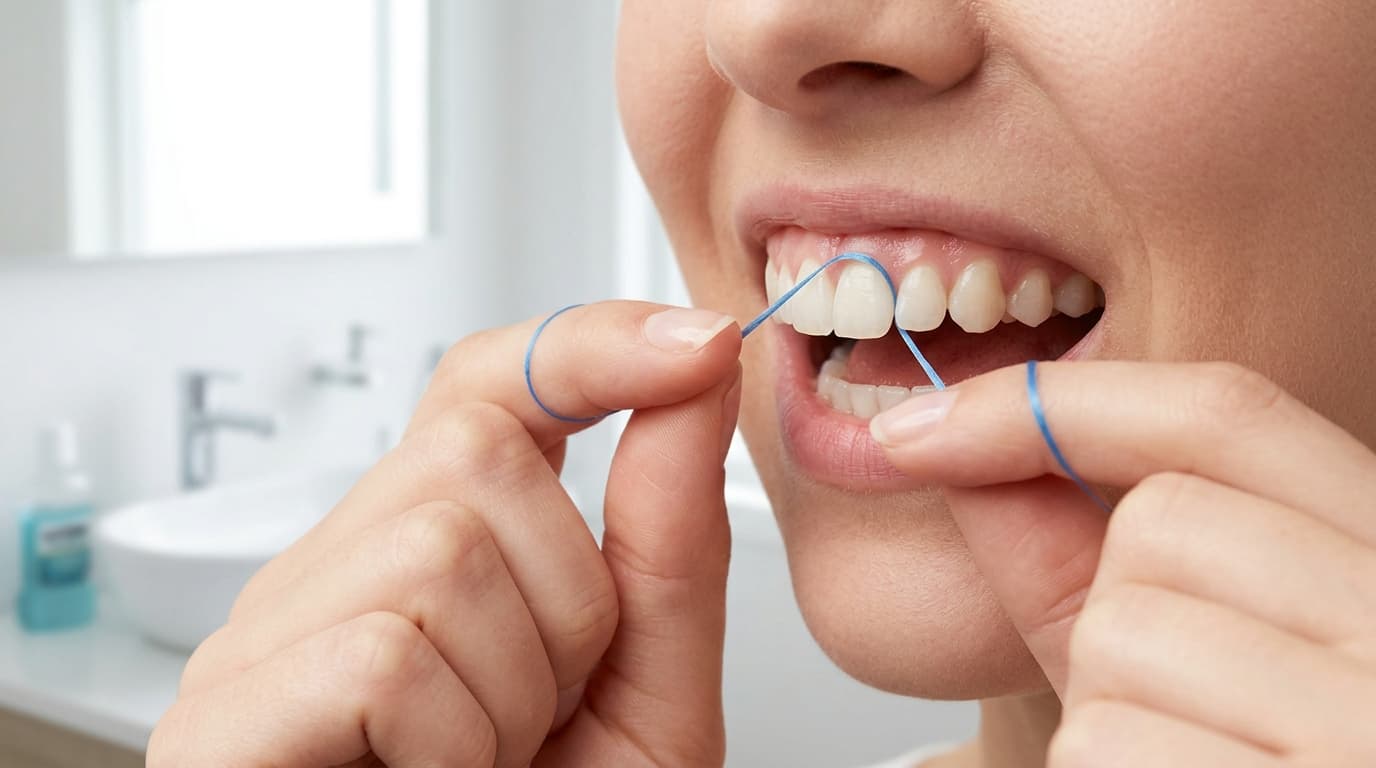
How Often Should You Floss? The Science of Interdental Cleaning
Brushing alone leaves up to 40% of tooth surfaces uncleaned. Discover the science of daily flossing, proper finger technique, and alternatives for tight spaces.

Complete Guide to Professional Teeth Cleaning (Scaling & Polishing)
Demystifying dental scaling and polishing. Learn how ultrasonic scalers safely remove calculus, protect your gums, and brighten your smile.