Complete Guide to Professional Teeth Cleaning: Procedure, Types & Benefits
Demystifying dental scaling and polishing. Learn how ultrasonic scalers safely remove calculus, protect your gums, and brighten your smile.

Dental hygienist performing gentle ultrasonic scaling and polishing for a patient
Professional teeth cleaning (scaling and polishing) uses specialized ultrasonic and hand instruments to gently vibrate away hardened tartar and plaque biofilm above and below the gumline, followed by polishing to smooth the enamel surface and remove extrinsic stains.
Why Regular Brushing Isn’t Enough to Stop Tartar
Even with flawless daily oral hygiene, mineral-rich saliva continuously deposits calcium salts into residual bacterial plaque, forming rock-hard calculus (tartar) in hard-to-reach niches.
Once calculus forms, toothbrush bristles and floss cannot dislodge it. Leaving this buildup undisturbed leads to chronic gingival inflammation, bone resorption, and bad breath. Professional dental scaling is the only safe method to remove hardened calculus.
Types of Dental Cleanings: Prophylaxis vs Deep Cleaning (SRP)
It is important to understand which type of cleaning your dental health requires:
| Type of Cleaning | Clinical Target | Recommended When | Anesthesia Used? |
|---|---|---|---|
| Routine Prophylaxis | Supragingival plaque, tartar, and surface stains | Healthy gums or mild gingivitis (preventive care) | Usually not needed |
| Scaling & Root Planing (Deep Cleaning) | Subgingival calculus in deep pockets + smoothing root surfaces | Active periodontitis with pocket depths 4mm+ and bone loss | Local anesthesia applied for comfort |
| Periodontal Maintenance | Ongoing debridement of healing pockets | Every 3-4 months after completing deep cleaning | Mild topical or local anesthetic as needed |
Step-by-Step: What to Expect During a Cleaning
1. Oral Exam: The clinician inspects your teeth and gums for signs of decay or inflammation.
2. Ultrasonic Scaling: An ultrasonic scaler tip vibrates at 25,000 to 45,000 Hz with a cooling water spray. The microscopic acoustic shockwaves gently shatter tartar deposits without abrading enamel.
3. Fine Manual Scaling: Fine curettes are used to meticulously detail interproximal contours and root surfaces.
4. Prophy-Paste Polishing: A gentle rotating rubber cup with mild fluoride paste polishes away coffee, tea, and tobacco stains, creating a glass-smooth surface that resists new plaque.
5. Flossing & Fluoride Treatment: Floss is passed through all contacts, followed by a concentrated fluoride rinse or varnish to remineralize enamel.
Debunking the Myth: Does Scaling Make Teeth Loose or Thin?
A widespread misconception is that scaling removes tooth enamel or causes teeth to become loose. This is scientifically false.
Ultrasonic tips vibrate against calculus, not enamel. In cases of severe advanced gum disease, a thick "bridge" of tartar was artificially splinting already bone-depleted teeth together. Once that toxic infected buildup is removed, patients may feel slight mobility until underlying bone and gums receive proper therapeutic healing.
Frequently Asked Questions
Scientific References & Sources
Our content is strictly synthesized from peer-reviewed dental literature, clinical practice guidelines, and leading academic institutions.
- Efficacy of Ultrasonic vs Hand Instrumentation in Periodontal Therapy: Systematic Review — Journal of Clinical Periodontology (2023)
- ADA Guidelines on Scaling and Root Planing for Chronic Periodontitis — Journal of the American Dental Association (2024)
Professional Ultrasonic Cleaning
Refresh your smile with gentle, modern ultrasonic scaling and polishing at Blueteeth Dental Care.
Related Dental Health Guides
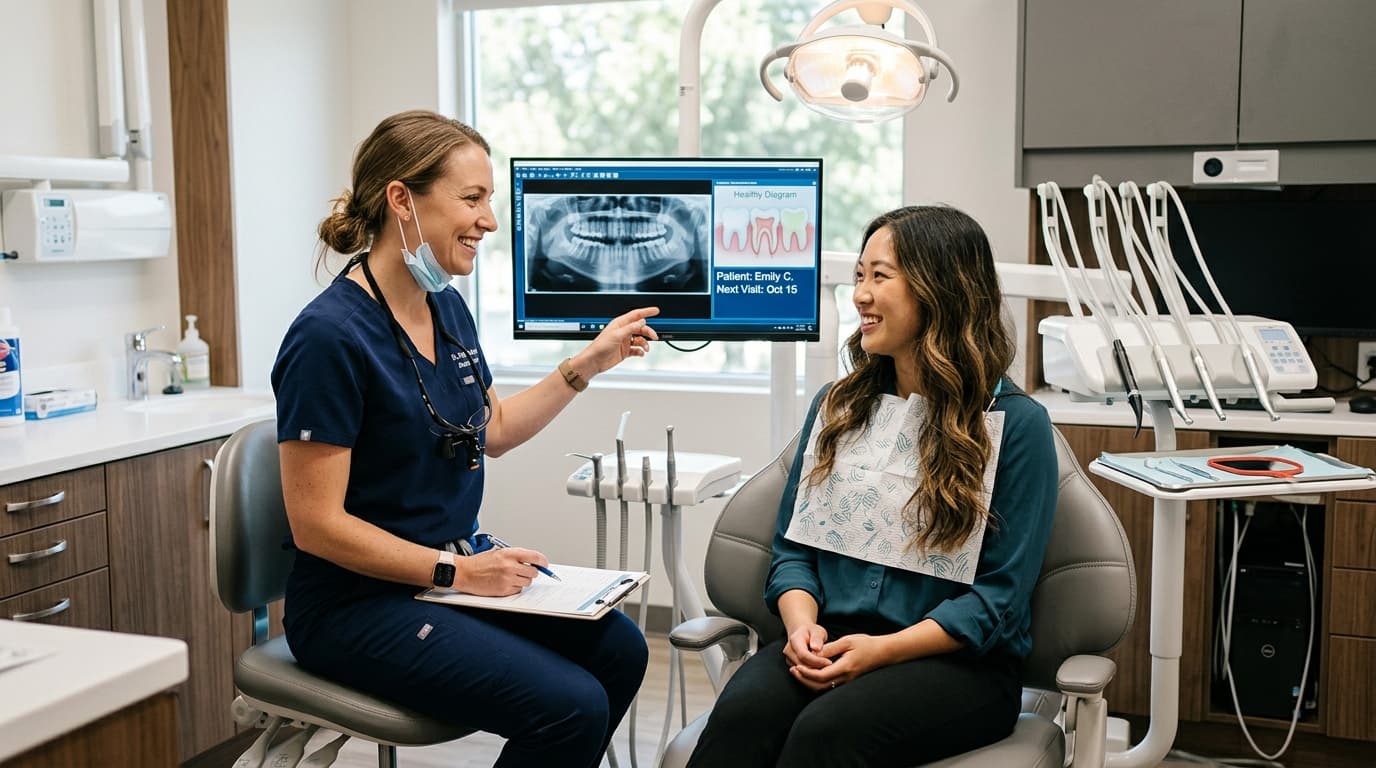
How Often Should You Visit a Dentist? Routine vs High-Risk Schedules
Is the six-month dental visit rule right for everyone? Learn how dental professionals evaluate individual risk factors to customize recall intervals.
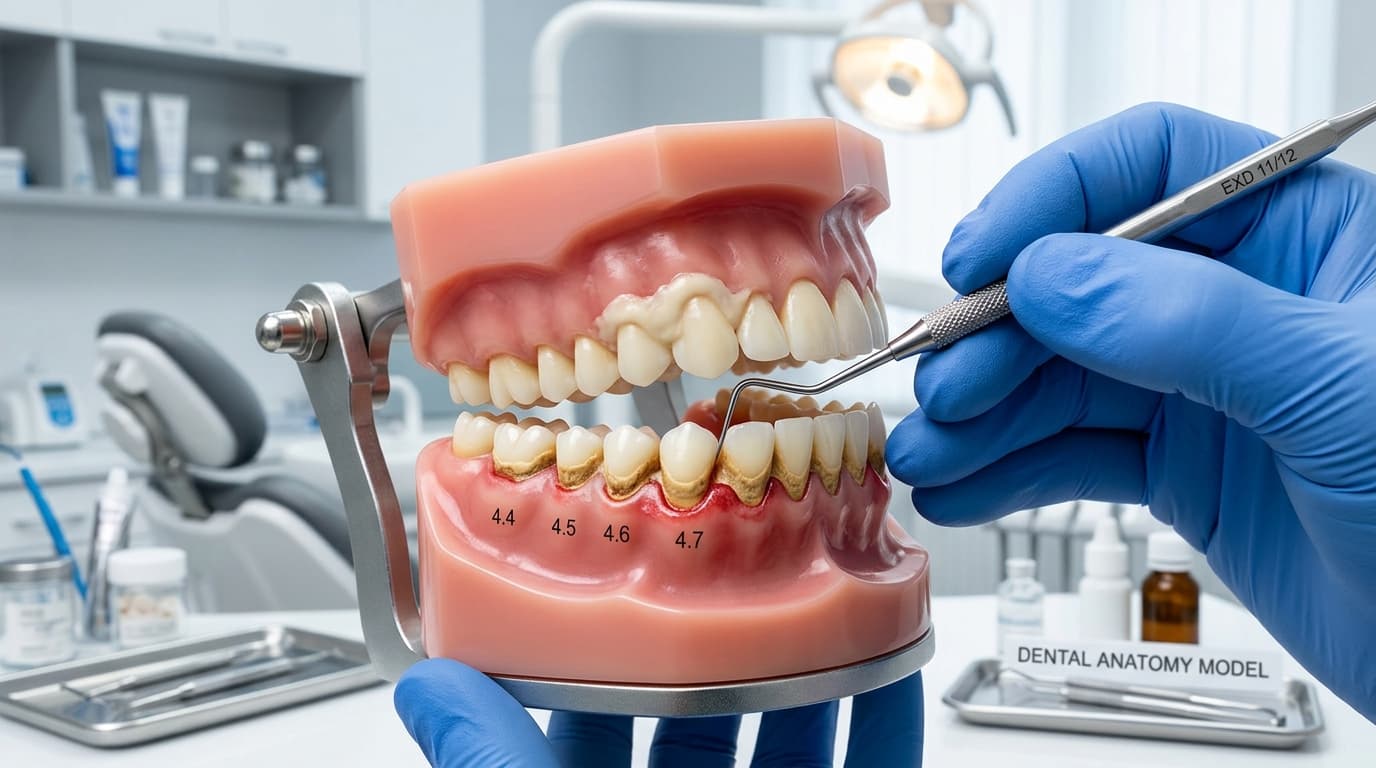
Dental Plaque vs Tartar (Calculus): Key Differences & Removal
Plaque and tartar are two stages of the same biological threat. Discover how soft biofilm mineralizes into rock-hard calculus and how to keep teeth clean.
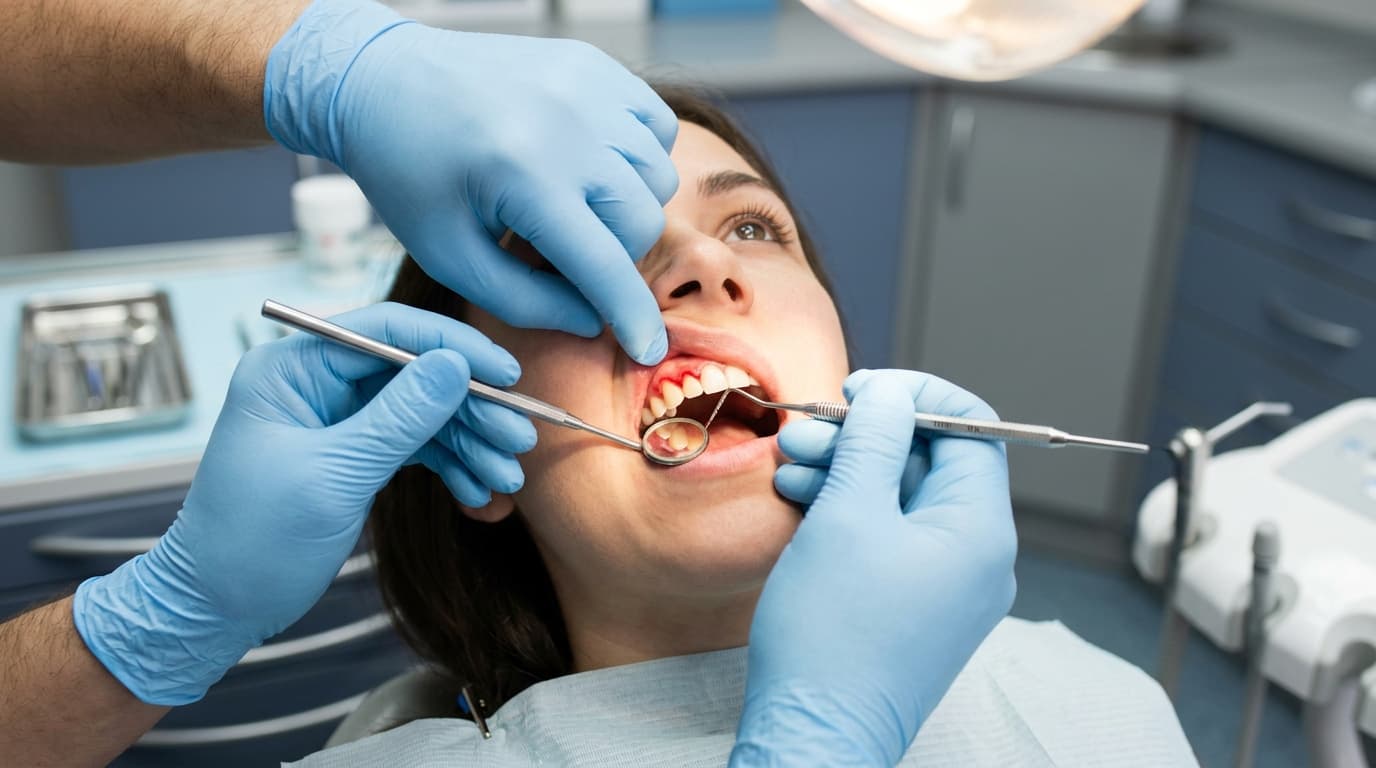
What Causes Bleeding Gums? Symptoms, Stages, and Treatment
Healthy gums never bleed. Learn what triggers gingival bleeding, how bacterial toxins inflame delicate tissue, and how to restore healthy pink gums.