Gum Disease: Complete Guide to Gingivitis and Periodontitis
Gum disease is the leading cause of adult tooth loss. Learn how bacterial toxins destroy jawbone and how modern periodontal care saves your smile.

Clinical periodontal chart showing gum pocket depths and bone levels
Gum disease (periodontal disease) is an inflammatory infection of the tissues and jawbone that support your teeth. It begins as reversible gingivitis (swollen, bleeding gums) and can progress to irreversible periodontitis, which destroys the periodontal ligament and alveolar bone, causing loose teeth and eventual tooth loss.
What Is Periodontal Disease? The Bacterial Mechanism
Periodontal disease is initiated by subgingival bacterial biofilm. Complex communities of anaerobic pathogens (such as Porphyromonas gingivalis and Treponema denticola) release toxic enzymes (proteases and endotoxins) that trigger an intense host immune response.
In susceptible individuals, the chronic inflammatory response becomes dysregulated: instead of simply clearing the bacteria, inflammatory cytokines (IL-1, TNF-alpha) cause osteoclasts to resorb the patient’s own supporting alveolar jawbone.
The 4 Stages of Periodontal Disease
The American Academy of Periodontology classifies periodontal disease into four progressive stages:
| Stage | Pocket Depth | Clinical Attachment Loss | Bone Loss Level |
|---|---|---|---|
| Stage I (Initial Periodontitis) | 4 mm pockets | 1 to 2 mm attachment loss | Coronal 15% of root |
| Stage II (Moderate Periodontitis) | 5 mm pockets | 3 to 4 mm attachment loss | Coronal 15% to 33% of root |
| Stage III (Severe Periodontitis) | 6 mm+ pockets | 5 mm+ attachment loss | Extending to mid-third of root with tooth mobility |
| Stage IV (Advanced with Tooth Loss) | Deep complex pockets | Severe mobility & bite collapse | Extending past mid-third; risk of losing entire dentition |
The Mouth-Body Connection: Systemic Health Risks
Periodontitis is not merely an oral condition; it is a chronic inflammatory disease with documented systemic effects:
• Diabetes Mellitus: Chronic periodontitis worsens glycemic control, while uncontrolled blood sugar accelerates periodontal destruction.
• Cardiovascular Disease: Oral bacteria enter the bloodstream through ulcerated pocket linings, contributing to arterial plaque formation and increasing myocardial infarction risk.
• Pregnancy Complications: Severe periodontitis is clinically linked to elevated risk of preterm birth and low birth weight.
Modern Periodontal Treatments
• Non-Surgical Scaling & Root Planing (SRP): Thorough debridement of subgingival calculus and bacterial endotoxins using ultrasonic and hand instruments.
• Laser-Assisted Periodontal Therapy: Using dental lasers to selectively decontaminate infected pocket linings without cutting tissue.
• Regenerative Bone Grafting & Guided Tissue Regeneration (GTR): Placing biological membranes and bone grafts to regrow lost alveolar bone.
• Periodontal Maintenance: Strict 3-month recall cleanings to prevent pathogen recolonization.
Frequently Asked Questions
Scientific References & Sources
Our content is strictly synthesized from peer-reviewed dental literature, clinical practice guidelines, and leading academic institutions.
- Classification of Periodontal and Peri-Implant Diseases and Conditions 2017 Consensus — Journal of Periodontology (2023)
- Periodontitis and Systemic Diseases: An Update on the Mouth-Body Connection — The Lancet (2024)
Advanced Periodontal Therapy & Deep Cleaning
Protect your teeth and bone from gum disease. Schedule a periodontal assessment at Blueteeth Dental Care.
Related Dental Health Guides
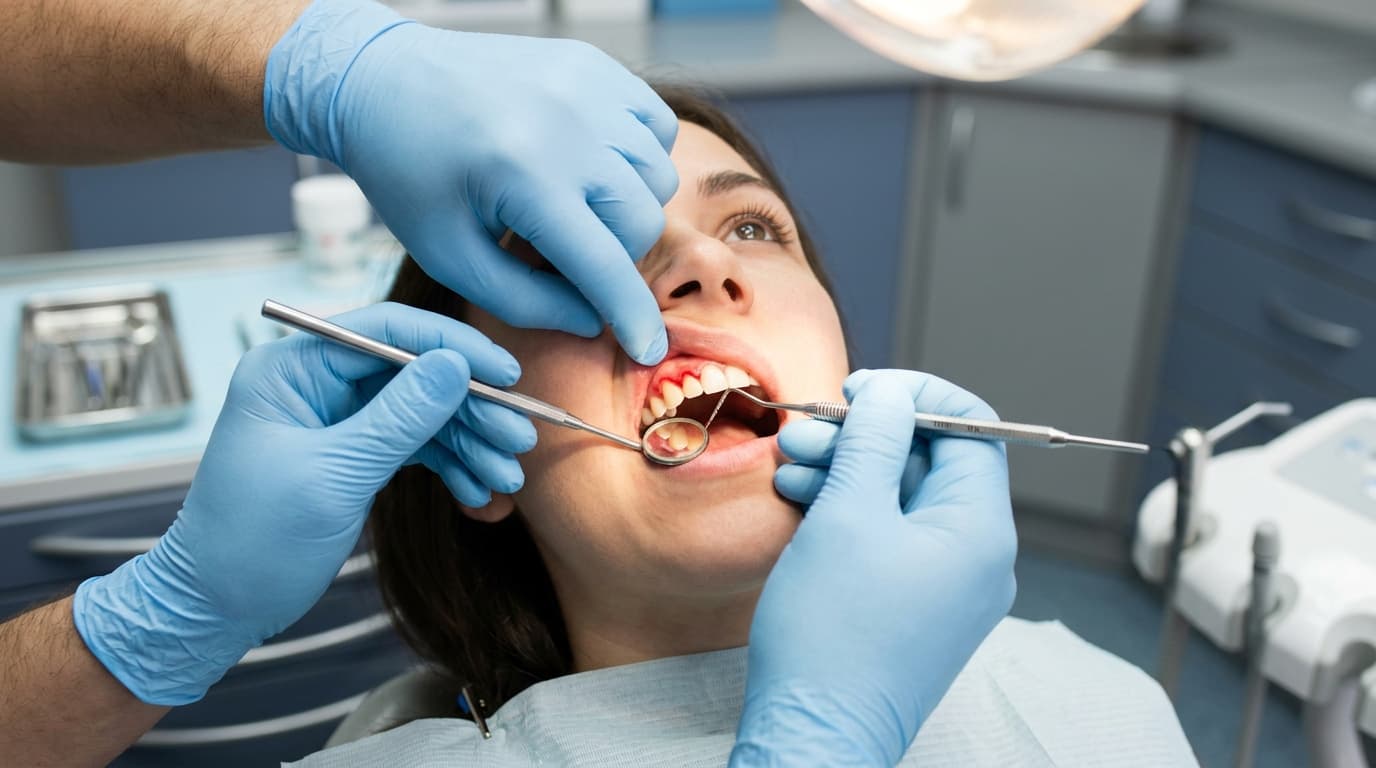
What Causes Bleeding Gums? Symptoms, Stages, and Treatment
Healthy gums never bleed. Learn what triggers gingival bleeding, how bacterial toxins inflame delicate tissue, and how to restore healthy pink gums.
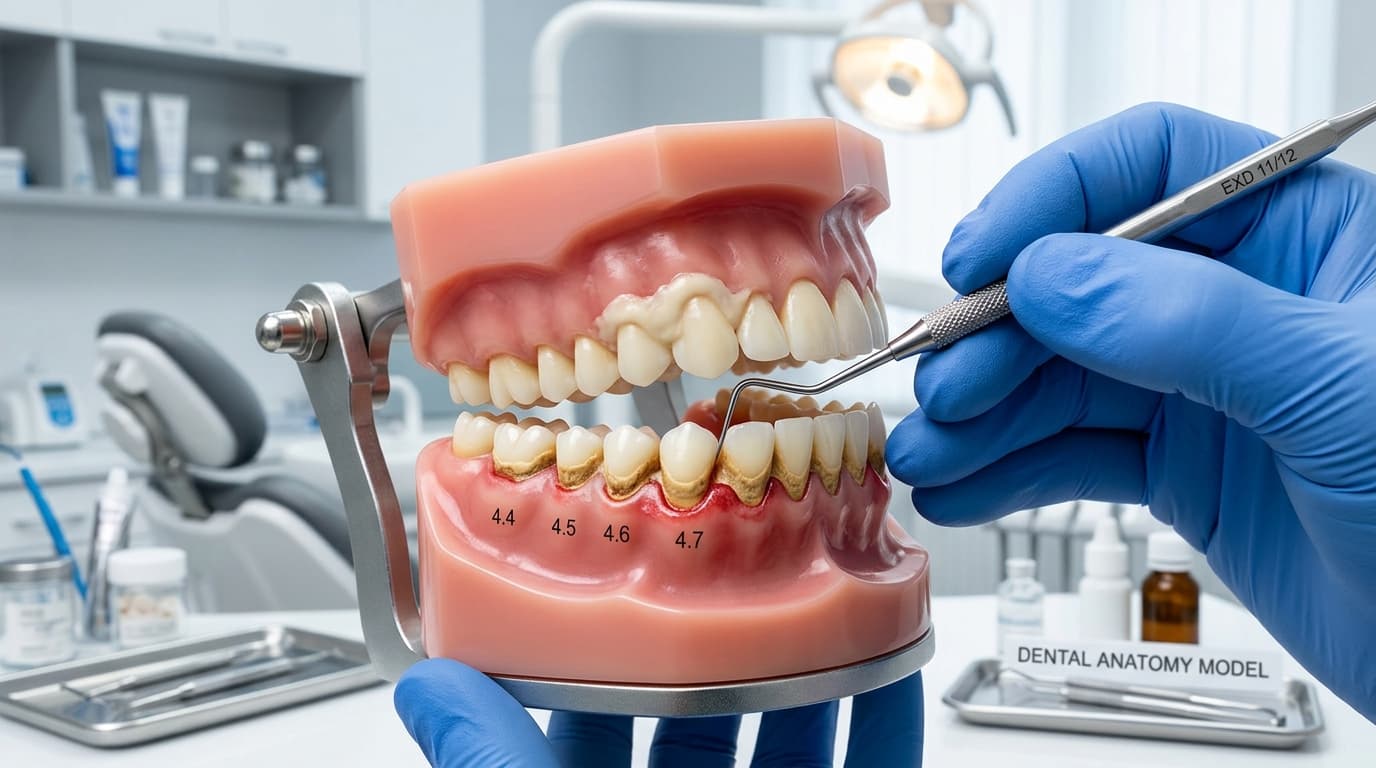
Dental Plaque vs Tartar (Calculus): Key Differences & Removal
Plaque and tartar are two stages of the same biological threat. Discover how soft biofilm mineralizes into rock-hard calculus and how to keep teeth clean.
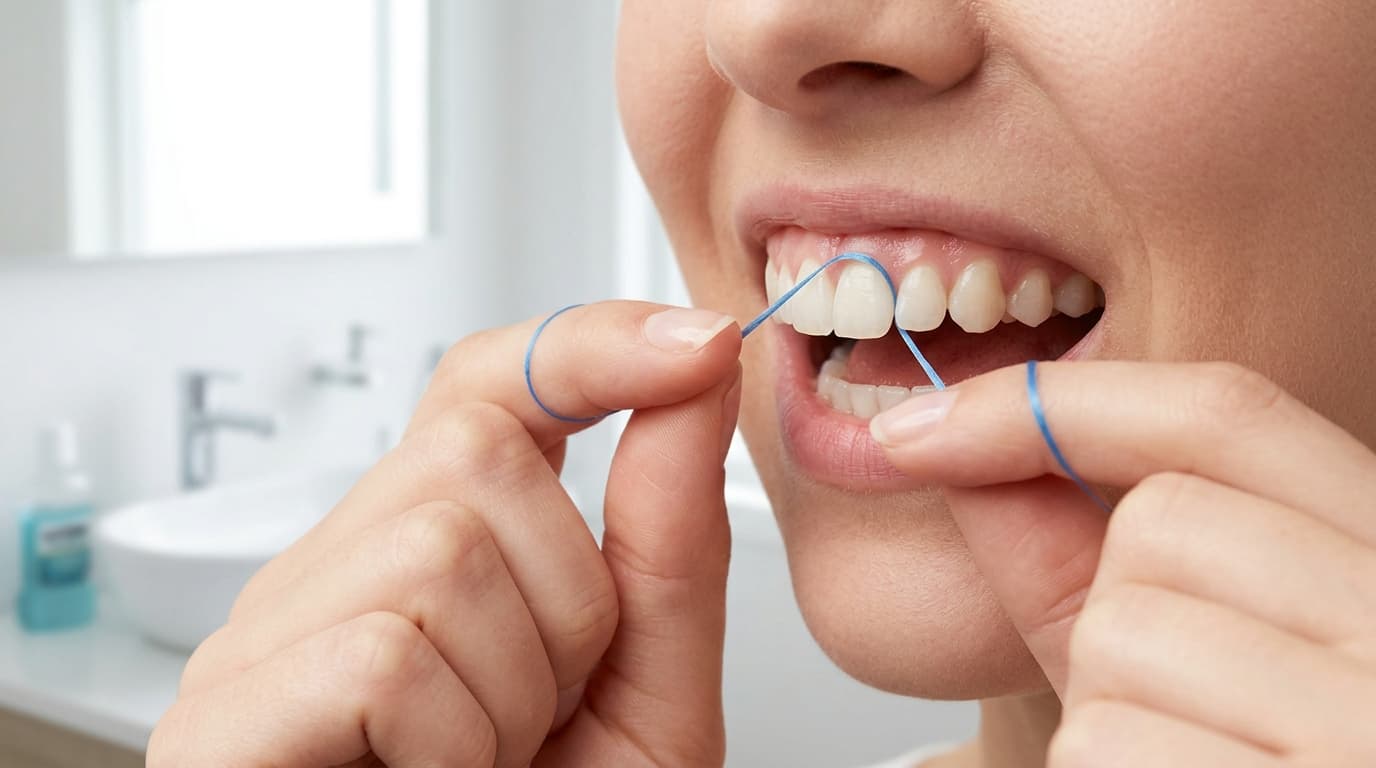
How Often Should You Floss? The Science of Interdental Cleaning
Brushing alone leaves up to 40% of tooth surfaces uncleaned. Discover the science of daily flossing, proper finger technique, and alternatives for tight spaces.