What Causes Bad Breath (Halitosis)? Biological Causes and Proven Solutions
Over 85% of bad breath originates in the mouth, not the stomach. Discover how anaerobic bacteria produce volatile sulfur compounds and how to eliminate them.
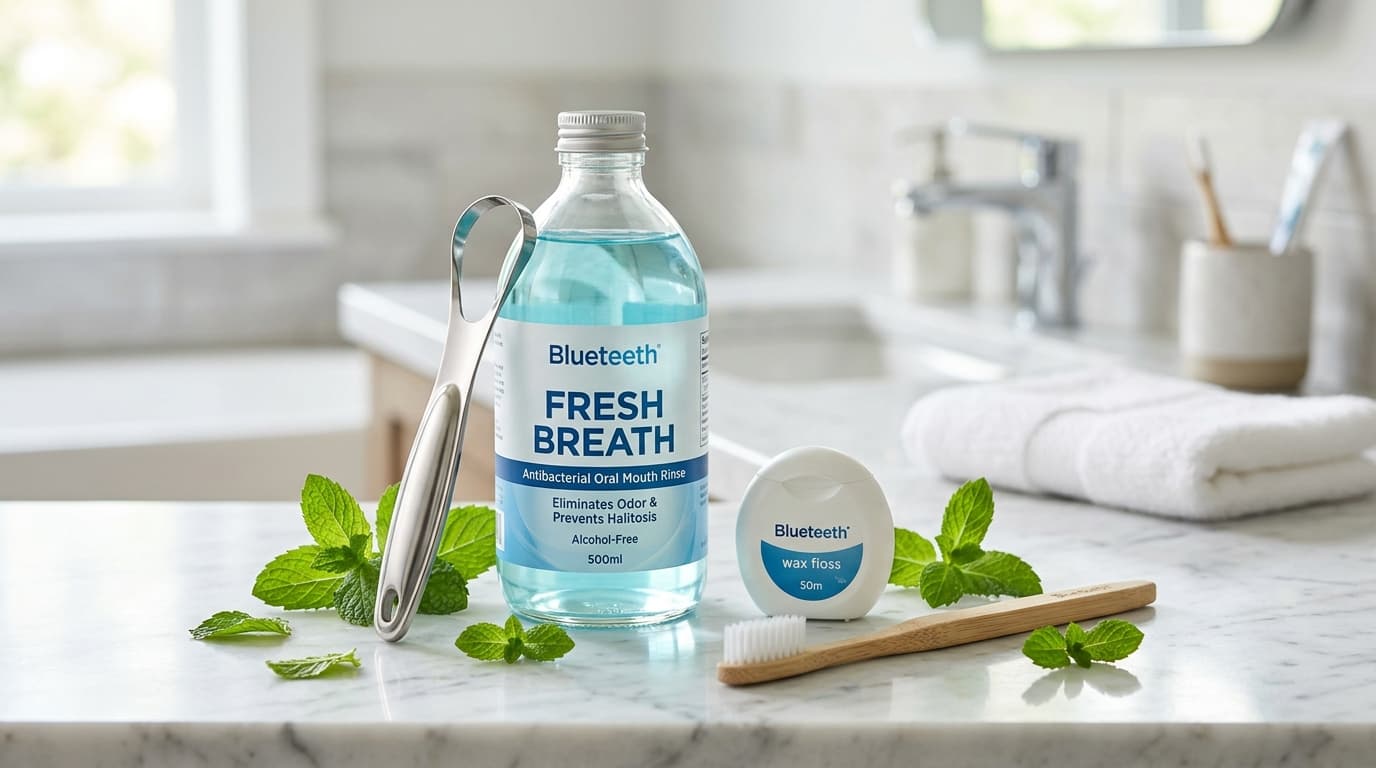
Blueteeth Fresh Breath oral rinse with medical tongue scraper and floss for halitosis prevention
Bad breath (halitosis) is primarily caused by anaerobic oral bacteria breaking down food proteins and dead cells on the back of the tongue and in periodontal pockets, releasing foul-smelling Volatile Sulfur Compounds (VSCs). Other causes include dry mouth, poor oral hygiene, smoking, and sinus infections.
The Chemistry: Volatile Sulfur Compounds (VSCs)
Many people mistakenly assume chronic bad breath originates in the stomach. In reality, over 85% of halitosis cases originate directly inside the oral cavity.
Anaerobic, Gram-negative bacteria living in the oxygen-depleted crevices of the tongue and periodontal pockets feed on amino acids (cysteine and methionine) found in food remnants, saliva, and cellular debris. As they metabolize these proteins, they release noxious Volatile Sulfur Compounds (VSCs), primarily hydrogen sulfide (rotten egg odor), methyl mercaptan (cabbage/fecal odor), and dimethyl sulfide.
The Top Oral Causes of Halitosis
1. Tongue Dorsum Biofilm: The posterior third of the tongue has deep papillae crypts where thousands of sulfur-producing bacteria thrive undisturbed by standard tooth brushing.
2. Periodontitis & Deep Pockets: Infected periodontal pockets harbor massive colonies of anaerobic pathogens that produce continuous sulfur emissions.
3. Untreated Dental Cavities: Hollow decayed cavities trap rotting food particles that cannot be reached by normal hygiene.
4. Impacted Wisdom Teeth: Partially erupted wisdom teeth create a pericoronal flap that traps debris and breeds infection.
Why Dry Mouth (Xerostomia) Worsens Breath
Saliva is your body’s natural mouthwash. It continuously cleanses oral tissues, dissolves food particles, and contains antibacterial enzymes and immunoglobulins that suppress bacterial proliferation.
When salivary flow decreases (due to mouth breathing during sleep, dehydration, stress, or medications), the concentration of volatile sulfur compounds escalates rapidly—the primary reason for "morning breath".
Dentist-Approved Solutions for Fresh Breath
• Use a dedicated metal or plastic tongue scraper daily from the back of the tongue forward.
• Floss every single evening to remove fermenting interproximal food debris.
• Use an alcohol-free mouthwash containing zinc chloride or chlorine dioxide, which chemically neutralize volatile sulfur compounds.
• Stay hydrated and chew xylitol gum to stimulate protective saliva flow.
Frequently Asked Questions
Scientific References & Sources
Our content is strictly synthesized from peer-reviewed dental literature, clinical practice guidelines, and leading academic institutions.
- Diagnosis and Management of Halitosis: A Clinical Overview — British Dental Journal (2023)
- Etiology and Management of Oral Malodor — Journal of Natural Science, Biology and Medicine (2024)
Halitosis Evaluation & Periodontal Therapy
Persistent bad breath despite home care? Let our clinicians diagnose the exact cause at Blueteeth Dental Care.
Related Dental Health Guides
How to Brush Your Teeth Properly: Step-by-Step Dental Guide
Master the Modified Bass brushing technique with dentist-approved steps to clean every tooth surface, protect delicate gums, and prevent plaque buildup.
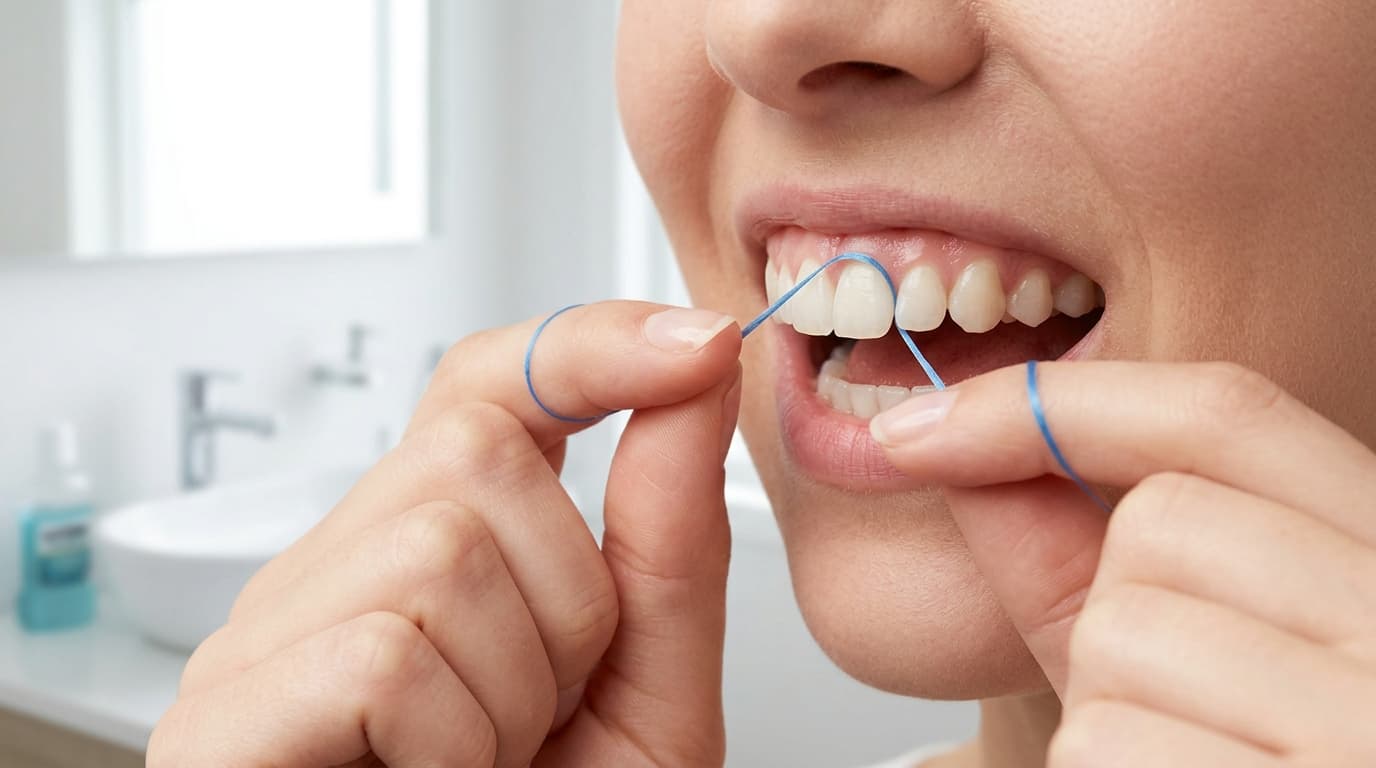
How Often Should You Floss? The Science of Interdental Cleaning
Brushing alone leaves up to 40% of tooth surfaces uncleaned. Discover the science of daily flossing, proper finger technique, and alternatives for tight spaces.
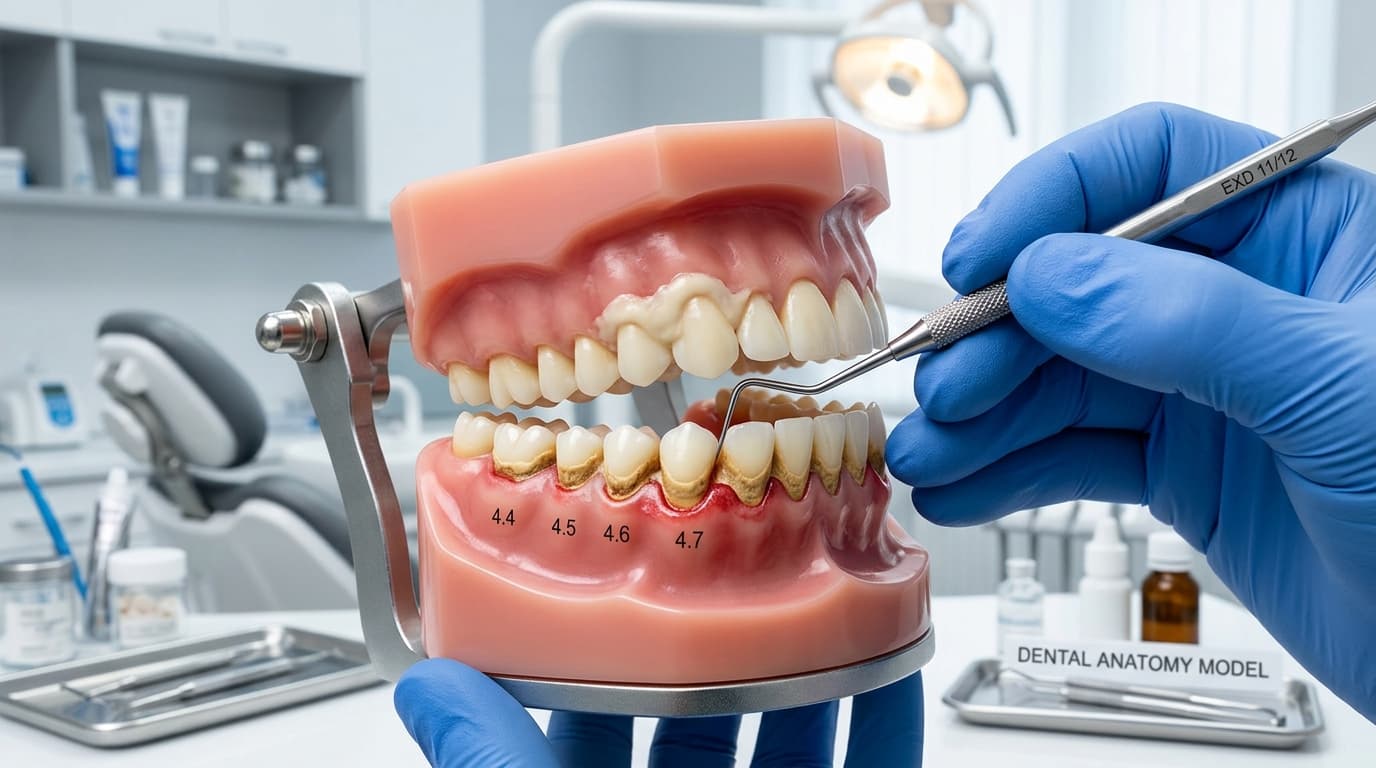
Dental Plaque vs Tartar (Calculus): Key Differences & Removal
Plaque and tartar are two stages of the same biological threat. Discover how soft biofilm mineralizes into rock-hard calculus and how to keep teeth clean.